
Guide
Precipitated Withdrawal: What It Is, Why Fentanyl Raises the Risk, and How Detox Prevents It
Joint Commission accredited · In network with most major insurance · Admissions answered 24 hours a day

Published September 20, 2024
Reviewed and updated November 28, 2026
Precipitated withdrawal is opioid withdrawal that hits suddenly and hard because a medicine pushes opioids off the brain’s receptors all at once. It happens when buprenorphine (in Suboxone), naltrexone (in Vivitrol) or naloxone (Narcan) is given while opioids are still active in the body. It can come on within minutes, depending on the medicine and how it is given. The risk can be lowered. Detox lowers it by starting buprenorphine at the right time, with a clinician watching. Fentanyl makes the timing harder to get right, which is why the question comes up so often now.
What is precipitated withdrawal?
Precipitated withdrawal is withdrawal brought on by a medication rather than by time. The symptoms match ordinary opioid withdrawal, but they arrive faster and can be much more severe.
The American Society of Addiction Medicine calls ordinary withdrawal “spontaneous”: it builds over hours as the last dose wears off. Precipitated withdrawal comes on much faster. The guideline says its symptoms “may be much more severe.” Researchers who studied it describe a different time course: it emerges, peaks and fades within a short window, instead of building over days.
Sources: The ASAM National Practice Guideline for the Treatment of Opioid Use Disorder, 2020 Focused Update, American Society of Addiction Medicine. Operational definition of precipitated opioid withdrawal, Frontiers in Psychiatry, 2023.
What causes precipitated withdrawal?
Precipitated withdrawal is caused by buprenorphine, naltrexone or naloxone. Each one grips the brain’s opioid receptors harder than heroin or fentanyl does, and pushes them off.
Buprenorphine is a partial opioid agonist. It holds on to the opioid receptor tightly but switches it on only part of the way. SAMHSA’s treatment guide explains that this stronger hold lets it displace full agonists such as heroin or methadone. If those drugs are still on the receptors, the swap is a sudden drop in opioid effect. The body reads that drop as withdrawal. The Suboxone label warns of this directly.
Naltrexone and naloxone block the receptor completely, so they can cause it too; naloxone given into a vein brings it on within a minute. The Suboxone label also warns that its naloxone ingredient could make withdrawal worse and longer for people dependent on methadone or other long-acting opioids. That is why buprenorphine alone is advised for them.
Sources: TIP 63: Medications for Opioid Use Disorder, Substance Abuse and Mental Health Services Administration, 2018. SUBOXONE (buprenorphine and naloxone) prescribing information, DailyMed, National Library of Medicine.
What are the symptoms of precipitated withdrawal?
The symptoms are those of opioid withdrawal, all at once: sweating, body aches, diarrhea, a racing heart, a runny nose, yawning, goosebumps, anxiety and vomiting.
The naloxone label lists body aches, diarrhea, a fast heartbeat, fever, runny nose, sneezing, goosebumps, sweating and yawning. The 2023 study found the signs most tied to it were teary eyes, yawning, a runny nose, sweating, hot flashes and changes in pupil size. What sets precipitated withdrawal apart is the speed. Ordinary withdrawal from short-acting opioids starts 8 to 24 hours after the last use, according to SAMHSA. Precipitated withdrawal peaks within a minute of naloxone given into a vein. After buprenorphine under the tongue, it peaks within 90 minutes, according to the American Society of Addiction Medicine.
Sources: NARCAN (naloxone) prescribing information, DailyMed. Operational definition of precipitated opioid withdrawal, 2023. TIP 63: Medications for Opioid Use Disorder, Substance Abuse and Mental Health Services Administration, 2018. The ASAM National Practice Guideline, 2020 Focused Update.
How long does precipitated withdrawal last?
After naloxone, precipitated withdrawal usually lasts 30 to 60 minutes. After buprenorphine or naltrexone, it can last several days.
The difference comes down to how long the medicine stays on the receptors. Naloxone wears off quickly, which is also why someone revived with it still needs emergency care: the opioid can outlast it. Buprenorphine and naltrexone stay much longer. The Vivitrol label warns that people switching from buprenorphine or methadone may be at risk of precipitated withdrawal for as long as two weeks, and that it can be severe enough to need hospital care.
Why does fentanyl make precipitated withdrawal more likely?
Fentanyl raises the risk because regular use stores it in fat and muscle. It keeps leaking back into the blood, so it can still be on the receptors when withdrawal seems to have started.
A 2024 study looked at patients started on buprenorphine in three Philadelphia hospitals. Among those with confirmed fentanyl use, 16.3% had precipitated withdrawal. The risk was higher in people with a body mass index of 30 or more and in those with high fentanyl levels in their urine, though the authors call these findings exploratory. A small 2020 study found fentanyl in urine for about 7 days on average after people stopped, and up to 19 days.
Other studies report much lower rates, such as under 1% in a large emergency-department trial. The 2024 study used the same definition as that trial; its authors point to differences in patients and local drug supply to explain the gap. So the honest answer is a range. Reported rates run from under 1% in a large emergency-department trial to about 16%, roughly 1 in 6, among hospitalized patients with confirmed fentanyl use.
Sources: Buprenorphine-Precipitated Withdrawal Among Hospitalized Patients Using Fentanyl, JAMA Network Open, 2024. Protracted renal clearance of fentanyl in persons with opioid use disorder, Drug and Alcohol Dependence, 2020. Incidence of precipitated withdrawal during a multisite emergency department-initiated buprenorphine trial, JAMA Network Open, 2023.
Where we are
Detox centers across Texas
Three locations, each with its own admissions line and its own clinical team. Pick the one nearest you — or call and we will tell you which has a bed tonight.
-
 Inpatient
Austin, TX
11711 N Lamar Blvd · 78753
- 15 beds
- On-site labs
- 24-hour medical staff
Drug & Alcohol Detox in Austin, TX
-
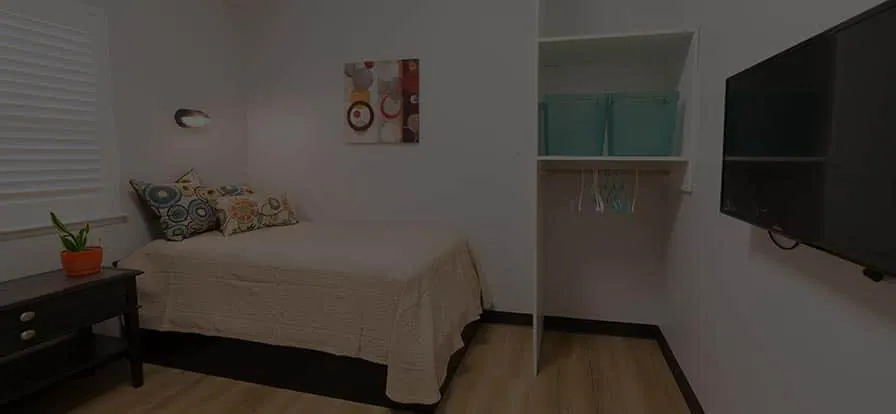 Inpatient
Houston, TX
1019 Ashland St · 77008
- On-site labs
- 24-hour medical staff
Drug Detox Center in Houston, TX
-
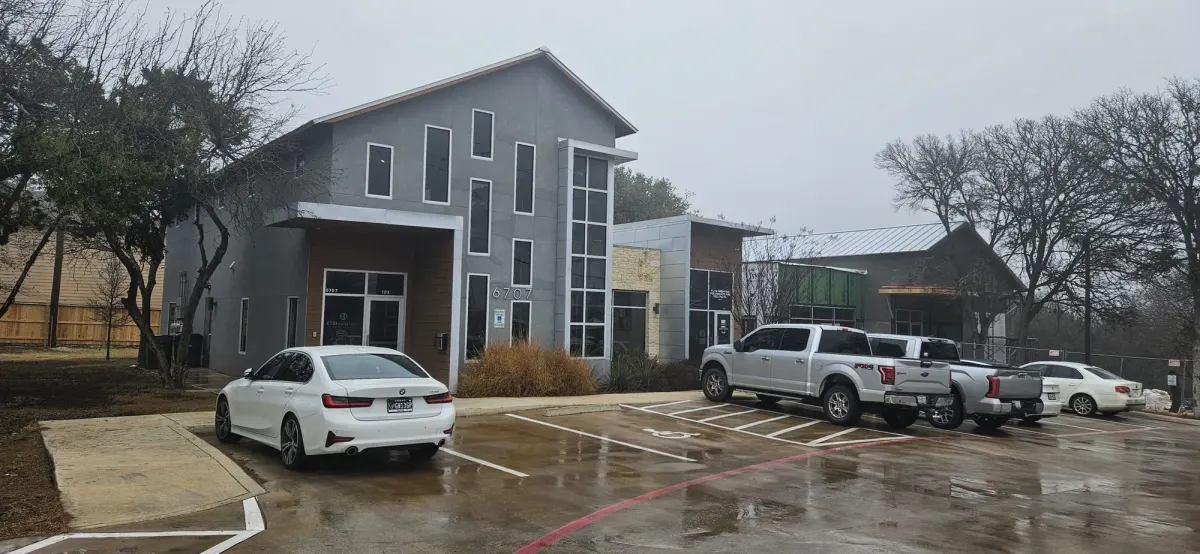 Outpatient
San Antonio, TX
6707 W Hausman Rd · 78249
- Outpatient detox with scheduled medical visits
- Outpatient treatment
Outpatient Drug & Alcohol Detox in San Antonio
How do doctors prevent precipitated withdrawal?
Doctors prevent it by waiting for clear, moderate withdrawal before the first buprenorphine dose. Then they start small and watch what happens.
The Suboxone label says to begin only when there are visible signs of moderate withdrawal, and at least six hours after the last opioid use. The American Society of Addiction Medicine gives 6 to 12 hours after short-acting opioids and 24 to 72 hours after methadone. Clinicians measure “moderate” with the Clinical Opiate Withdrawal Scale. A score of 11 to 12 or more is generally the mark. Some clinicians wait for 13 or higher after fentanyl, though the guideline says there is little evidence either way.
Two other approaches are used. Starting with a smaller first dose makes precipitated withdrawal less likely, according to SAMHSA. And some programs use a “low-dose” start, which brings buprenorphine in gradually while other opioids are still present. Hospital reports suggest it is well tolerated, but there is no agreed schedule yet. Whichever approach is used, the medical team decides, and the label says treatment should start with supervised doses.
Sources: SUBOXONE prescribing information, DailyMed. The ASAM National Practice Guideline, 2020 Focused Update. TIP 63, SAMHSA, 2018. ASAM Clinical Considerations: Buprenorphine Treatment of Opioid Use Disorder for Individuals Using High-potency Synthetic Opioids.pdf), Journal of Addiction Medicine, 2023.
What happens if precipitated withdrawal starts?
If it starts, the best treatment is usually more buprenorphine, given by a clinician, plus medicine for the symptoms. Severe cases go to a hospital.
That sounds backwards, but it works because more buprenorphine fills the remaining receptors and steadies the body faster than waiting it out. The American Society of Addiction Medicine’s fentanyl guidance calls more buprenorphine “the most effective treatment.” Symptom medicines may help alongside it. When symptoms do not settle, the guidance is to move to an emergency department or hospital, where other medications can be used. The evidence for each of these comes mostly from expert consensus and case reports, not large trials.
Source: ASAM Clinical Considerations: Buprenorphine Treatment of Opioid Use Disorder for Individuals Using High-potency Synthetic Opioids.pdf), Journal of Addiction Medicine, 2023.
Should you still use naloxone if it causes withdrawal?
Yes. Always give naloxone to someone who may be overdosing. Withdrawal after a rescue is usually short-lived, while an overdose can kill.
The CDC says it is always best to use naloxone if you think someone is overdosing. More than one dose may be needed with fentanyl. Stay with the person for at least four hours. The naloxone label adds that you should get emergency help right after the first dose, because opioids can outlast it. A person who wakes up may be shaking, sweating, sick or angry. That is the withdrawal, and it passes. Call 911 for any suspected overdose.
Sources: Lifesaving Naloxone, Centers for Disease Control and Prevention, 2025. NARCAN (naloxone) prescribing information, DailyMed.
Can you start Suboxone at home?
Starting Suboxone at home can be safe in the right situation. After fentanyl or methadone, though, the timing is harder to judge, so start only with a clinician’s guidance.
The American Society of Addiction Medicine calls home starts safe and effective under appropriate circumstances. The catch is fentanyl’s slow release from fat, which makes the usual waiting time less reliable. SAMHSA advises waiting at least 24 hours after the last methadone dose, usually after a gradual methadone taper, and making the switch in a clinician’s office rather than at home. The 2024 hospital study also notes that its results may not apply to home starts. If you use fentanyl and want to start buprenorphine, a supervised start in detox is the safest way.
Sources: The ASAM National Practice Guideline, 2020 Focused Update. TIP 63, SAMHSA. Buprenorphine-Precipitated Withdrawal Among Hospitalized Patients Using Fentanyl, JAMA Network Open, 2024.
How does Briarwood prevent precipitated withdrawal?
At Briarwood, buprenorphine is started during opioid detox once nurses see clear withdrawal. The medical team sets the timing and dose, not a fixed schedule.
Nurses are on site around the clock, and vital signs are checked every four hours for the first three days. The assessment on arrival covers what you use, how much, how recently, and whether fentanyl is involved. That is what sets the timing. If withdrawal starts sooner or harder than expected, the medical team is there to respond. The opioid detox program page explains the whole stay, and the opioid detox medications page covers buprenorphine and the comfort medications given alongside it.
Briarwood runs inpatient opioid detox in Austin and fentanyl detox in Houston, with same-day admission when a bed is open. Commercial insurance, TRICARE and VA plans usually cover medically needed detox. Briarwood does not take Medicare or Medicaid. You can check your insurance for free. If you are coming off methadone, the methadone clinic or detox page explains the choice, and the fentanyl withdrawal timeline shows what the first days look like.
Common Questions
What is precipitated withdrawal?+–
Sudden, severe opioid withdrawal caused when buprenorphine, naltrexone or naloxone pushes opioids off the brain's receptors while they are still active in the body.
How long does precipitated withdrawal last?+–
From naloxone, usually 30 to 60 minutes. From buprenorphine or naltrexone, it can last several days.
How long should you wait after fentanyl to take Suboxone?+–
Until there are clear signs of moderate withdrawal, which can be harder to judge after regular fentanyl use. The waiting time and dose should be set by a clinician.
How do you stop precipitated withdrawal?+–
The most effective treatment is usually more buprenorphine given by a clinician, plus medicines for the symptoms. Severe cases are treated in a hospital.
Can Narcan cause precipitated withdrawal?+–
Yes, but always use it in a suspected overdose. The withdrawal is usually short-lived, an overdose can kill, and you should still call 911.
Does precipitated withdrawal happen with alcohol?+–
No. Precipitated withdrawal is an opioid problem. Alcohol withdrawal is a different condition.
Related guides



About the people behind this guide
Anna-Grace Washington
Medical Content Writer
Anna-Grace Washington is a Medical Content Writer for Briarwood Detox Center. She holds a master’s degree in clinical psychology from the University of Texas and brings a strong understanding of behavioral health, addiction recovery, and evidence-based treatment concepts to her writing.
In network with most major insurance
Find your plan and see what detox would cost
Most plans cover medical detox. Coverage varies by plan, so we verify it for you before you commit to anything.



















Don't see your plan? We work with out-of-network benefits and offer self-pay options — (866) 710-7710
- Confidential
- Takes about 2 minutes
- No obligation to admit

- Accredited The Joint Commission
- Rated 4.7 · 184 Google reviews Flourishing Foundations Recovery, now part of Briarwood
- Admissions 24 hours a day