
Guide
Opioid Detox Medications: What Each One Does, When It Is Given, and What Withdrawal Feels Like With It
Joint Commission accredited · In network with most major insurance · Admissions answered 24 hours a day
Published September 22, 2026
Opioid withdrawal without medication is a week of vomiting, cramping, bone pain and cravings that most people cannot get through, and the relapse that ends it is where the overdose risk lives. With medication it is survivable, and for many people it becomes the start of a treatment that continues for months. This page goes through the medications used in opioid detox, one by one: what each does, when it is given, why fentanyl changes the timing, and which ones continue after the stay.
Which medications are used in opioid detox?
Opioid detox uses buprenorphine to relieve withdrawal, clonidine or lofexidine for the symptoms it does not cover, comfort medications for nausea, diarrhea and sleep, and naltrexone or continued buprenorphine afterward.
The National Institute on Drug Abuse’s account of opioid treatment names the medications: buprenorphine, a partial opioid agonist that relieves cravings and withdrawal without the high; methadone, a full agonist dispensed through licensed programs; naltrexone, an opioid blocker, including the monthly injection approved to prevent relapse after detoxification; and lofexidine, a non-opioid approved specifically to reduce withdrawal symptoms. The National Library of Medicine adds clonidine for the anxiety, agitation, aches, sweating and cramping, and other medications for vomiting, diarrhea and sleep. Each has a specific job and a specific time, and the rest of this page takes them in order.
Source: What are the treatments for heroin use disorder?, Heroin Research Report, National Institute on Drug Abuse.
What does buprenorphine do in detox?
Buprenorphine relieves opioid withdrawal by partially activating the same receptors the opioid did, enough to stop the symptoms and cravings without producing the high, and it can be continued after detox as long-term treatment.
It is the center of modern opioid detox. Because it is a partial agonist, it has a ceiling: more does not produce more effect past a point, which is why it is far safer in overdose than a full opioid and why it can be prescribed outside a specialized clinic.
The National Library of Medicine notes that it treats withdrawal, can shorten the length of detox, and can be used for long-term maintenance like methadone. It is usually combined with naloxone in the film or tablet form, as in Suboxone, so that injecting it produces withdrawal rather than a high; taken as directed, the naloxone does nothing. The opioid detox program page describes how Briarwood uses it across the stay.
Source: Opiate and opioid withdrawal, MedlinePlus Medical Encyclopedia, National Library of Medicine.
When is buprenorphine started?
Buprenorphine is started once withdrawal has clearly begun, not before, because given while a full opioid is still active it displaces that opioid from the receptors and precipitates a sudden, worse withdrawal.
This is the timing question that decides whether the first day of detox is a relief or a disaster, and it is why the first dose belongs in a supervised setting. The prescribing information for buprenorphine and naloxone is specific: induction should begin when objective signs of withdrawal are present, the sublingual route is used during induction to limit naloxone exposure and the risk of precipitated withdrawal, and people dependent on methadone or long-acting opioids are more susceptible to precipitated and prolonged withdrawal during induction than people on short-acting ones. A nurse watching for the objective signs, sweating, dilated pupils, gooseflesh, yawning, restlessness, is what makes the timing right.
Source: SUBOXONE (buprenorphine and naloxone) prescribing information, DailyMed, National Library of Medicine.
Why does fentanyl change the medication plan?
Fentanyl changes the medication plan because it accumulates and clears slowly, so standard buprenorphine timing precipitates withdrawal; the answer is a micro-induction, starting small and stepping up over days.
Most of what is sold as heroin or as pressed pills now contains fentanyl, so most people arriving for opioid detox are, whether they know it or not, fentanyl-dependent. The label’s warning about long-acting opioids applies to them.
The micro-induction approach starts buprenorphine in very small doses while the fentanyl is still clearing, so that it eases withdrawal instead of triggering it, and steps up to a full dose over several days. It means fentanyl detox often runs longer than the classic five to seven days, and it means the first days are more comfortable than they would be under the old protocol. The micro-induction protocol page describes how Briarwood does it.
Where we are
Detox centers across Texas
Three locations, each with its own admissions line and its own clinical team. Pick the one nearest you — or call and we will tell you which has a bed tonight.
-
 Inpatient
 Austin, TX
11711 N Lamar Blvd · 78753
- 15 beds
- On-site labs
- 24-hour medical staff
Drug & Alcohol Detox in Austin, TX
-
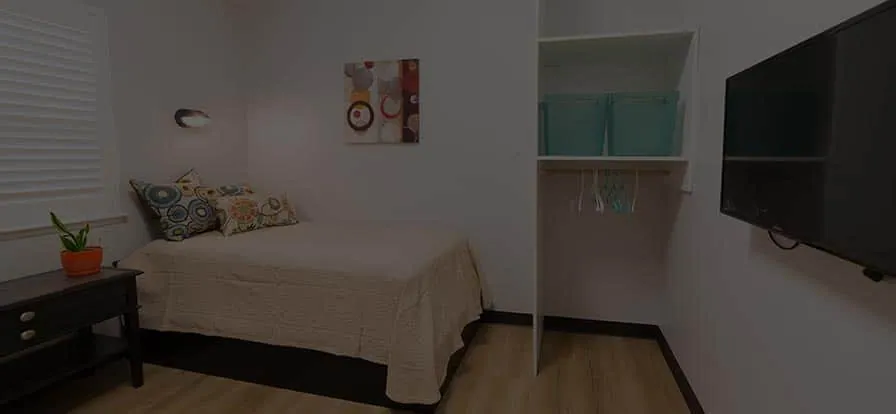 Inpatient
 Houston, TX
1019 Ashland St · 77008
- On-site labs
- 24-hour medical staff
Drug Detox Center in Houston, TX
-
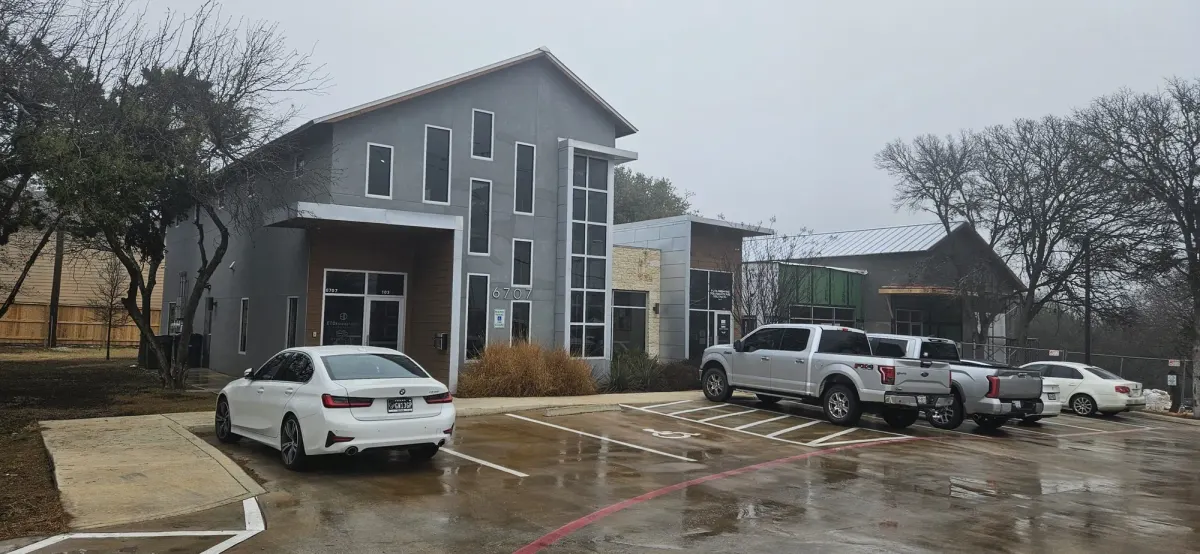 Outpatient
 San Antonio, TX
6707 W Hausman Rd · 78249
- Outpatient detox with scheduled medical visits
- Outpatient treatment
Outpatient Drug & Alcohol Detox in San Antonio
What do clonidine and lofexidine do?
Clonidine and lofexidine calm the nervous system’s overactivity during opioid withdrawal, reducing anxiety, agitation, sweating, runny nose, muscle aches and cramping, but neither touches cravings and neither is an opioid.
Clonidine is a blood pressure medication that has been used for opioid withdrawal for decades; the National Library of Medicine lists opiate withdrawal among its uses and describes it as reducing anxiety, agitation, muscle aches, sweating, runny nose and cramping while doing nothing for cravings. Lofexidine is a close relative that the FDA approved specifically for opioid withdrawal symptoms, which the National Institute on Drug Abuse notes is a treatment for withdrawal rather than for addiction itself.
Either can be used alongside buprenorphine for the symptoms it leaves behind, or on its own for someone who cannot or will not take buprenorphine. Both lower blood pressure, which is why they are dosed by a nurse watching the numbers.
Source: Clonidine, MedlinePlus Drug Information, National Library of Medicine.
What comfort medications are used?
Comfort medications in opioid detox treat the symptoms that make the week unbearable: anti-nausea medication, an anti-diarrheal, muscle relaxants or anti-inflammatories for the aches, and a sleep aid.
None of them treat the withdrawal itself; they treat the parts of it that lead people to give up. Nausea and diarrhea together also cause dehydration and electrolyte disturbance, which the National Library of Medicine names as a complication of opioid withdrawal, so fluids and electrolytes are part of the picture too. What a person is given and when depends on what they report, which is why nursing rounds ask the same questions at every visit: are you sleeping, are you keeping food down, where does it hurt.
Is methadone used for detox?
Methadone can be used for opioid detox and is effective, but as a full opioid agonist it is dispensed only through federally licensed programs, so Briarwood uses buprenorphine instead.
The National Institute on Drug Abuse describes methadone as a slow-acting opioid agonist, taken daily, that reduces cravings and withdrawal and blunts the effect of other opioids, available only through approved outpatient treatment programs. For someone already on methadone maintenance, detox is a different conversation: coming off methadone is a slower taper with a longer withdrawal, and starting buprenorphine on top of it carries the precipitated-withdrawal risk the label describes. Briarwood’s opioid detox is built on buprenorphine, and admissions will say so on the first call if methadone is what you need.
What happens with naltrexone after detox?
Naltrexone is an opioid blocker started after detox, once the system is clear of opioids, to prevent relapse; given too early it precipitates withdrawal, so the timing of the first dose is a medical decision.
The National Library of Medicine notes that naltrexone can help prevent relapse, is available as a daily pill or a monthly injection, and can bring on a sudden and severe withdrawal if taken while opioids are still in the system. The National Institute on Drug Abuse describes the monthly injection, Vivitrol, as approved to prevent relapse following opioid detoxification and as a way around the adherence problem that limited the daily pill.
It is the choice for people who want to be off all opioids, including buprenorphine, after detox. The catch is the gap: a person has to be fully withdrawn before the first dose, which for fentanyl can mean a longer wait, and the days between are high-risk. Detox is where that gap is bridged safely.
What does withdrawal feel like with medication?
Withdrawal with medication feels like a bad flu that improves each day rather than a crisis: buprenorphine takes away the worst of the cramping, sweating and craving within hours of the right dose. The comfort medications cover most of what is left.
That is the honest comparison. Without medication, the National Library of Medicine’s picture applies in full: agitation, aches, sweating and insomnia giving way to cramping, diarrhea, vomiting and days of misery, peaking around day three. With buprenorphine started at the right time, most people describe the first dose as the moment the withdrawal became bearable, and the days after as tired, restless and low rather than agonizing. Sleep is often the last thing to return. The post-acute withdrawal page describes the weeks of low mood, anxiety and poor sleep that can follow, which medication does not remove but treatment helps.
Which medications continue after detox?
Buprenorphine or naltrexone usually continues after detox, because most opioid overdose deaths occur in people who have just detoxed and medication is the strongest protection against that relapse. That warning is the National Library of Medicine’s.
Detox lowers tolerance, so a dose that was routine becomes fatal, and the weeks after discharge are the most dangerous a person will face. Continuing buprenorphine with an outpatient prescriber, or starting naltrexone once the system is clear, is what medication for opioid use disorder means, and the National Institute on Drug Abuse’s finding is that combining it with behavioral treatment is the most effective approach for many people. Briarwood arranges the prescriber and the first appointment before discharge, alongside residential treatment, an intensive outpatient program or sober living, and the what comes after detox page lays the options out. Everyone should also leave with naloxone.
Common Questions
What is the best medication for opioid withdrawal?+–
Buprenorphine, started once withdrawal has begun, relieves the symptoms and cravings most completely and can continue as long-term treatment. Clonidine, lofexidine and comfort medications cover what it leaves behind.
Why can't buprenorphine be given right away?+–
Given while a full opioid is still active, buprenorphine displaces it from the receptors and precipitates a sudden, worse withdrawal. It is started when objective signs of withdrawal are present, and by micro-induction when fentanyl is involved.
Does clonidine help with opioid withdrawal?+–
Yes, for the anxiety, agitation, muscle aches, sweating, runny nose and cramping. It does not reduce cravings, and it lowers blood pressure, so it is dosed with monitoring.
Is Suboxone the same as buprenorphine?+–
Suboxone is buprenorphine combined with naloxone. The naloxone does nothing when the film is taken as directed and produces withdrawal if the medication is injected, which is why it is included.
What medication do you take after opioid detox?+–
Usually buprenorphine continued with an outpatient prescriber, or naltrexone, including the monthly injection, started once the system is clear of opioids. Most overdose deaths occur in people who have just detoxed, and continued medication is the strongest protection.
Related guides

About the people behind this guide
Anna-Grace Washington
Medical Content Writer
Anna-Grace Washington is a Medical Content Writer for Briarwood Detox Center. She holds a master’s degree in clinical psychology from the University of Texas and brings a strong understanding of behavioral health, addiction recovery, and evidence-based treatment concepts to her writing.
In network with most major insurance
Find your plan and see what detox would cost
Most plans cover medical detox. Coverage varies by plan, so we verify it for you before you commit to anything.



















Don't see your plan? We work with out-of-network benefits and offer self-pay options — (866) 710-7710
- Confidential
- Takes about 2 minutes
- No obligation to admit
- Accredited The Joint Commission
- Rated 4.7 · 183 Google reviews Flourishing Foundations Recovery, now part of Briarwood
- Admissions 24 hours a day