
Guide
Ketamine Withdrawal: Symptoms, Timeline, and When You Need Medical Care
Joint Commission accredited · In network with most major insurance · Admissions answered 24 hours a day

Published October 19, 2022
Reviewed and updated November 28, 2026
Yes, ketamine has withdrawal symptoms. People who stop after heavy use report strong cravings, anxiety, sweating and a racing heart. In one treatment program, most people were through the acute phase within about a week. Cravings can last longer. The clinical sources describe no withdrawal seizures with ketamine, unlike alcohol or benzodiazepine withdrawal. The medical risks lie elsewhere: depression after stopping, bladder damage from long-term use, and the other drugs that are often taken with it. This page covers each one and when it needs a doctor.
What are the symptoms of ketamine withdrawal?
The symptoms reported in ketamine withdrawal include craving, anxiety, sweating and a pounding or racing heart, according to the Merck Manual and case reports reviewed in 2024.
The Merck Manual’s professional edition puts it plainly: some people develop withdrawal symptoms from ketamine, such as anxiety, sweating and palpitations. Craving comes up again and again in the case reports, and it is the one that drives people back to using. A 2025 case report in the *Journal of Addiction Medicine* describes ketamine use disorder as marked by intense cravings and tolerance, which often trigger relapse.
Mood matters too. NIDA notes that long-term, heavy ketamine use is linked with depression and anxiety. In a treatment program reviewed in 2024, people who started with higher depression scores, stronger cravings and more frequent use needed longer to get through withdrawal.
Sources: Ketamine and Phencyclidine (PCP), Merck Manual Professional Edition, 2026. Ketamine, National Institute on Drug Abuse, 2024. Naltrexone in the Treatment of Ketamine Use Disorders, Journal of Addiction Medicine, 2025.
How long does ketamine withdrawal last?
In the one program studied, the acute phase settled within about a week, but cravings can last for weeks, and nobody has yet studied enough people to publish a firm timeline.
That gap matters. A 2024 systematic review found only twelve studies on medication treatment for ketamine use disorder, most of them single case reports, and judged all the evidence on withdrawal to be of very low quality. What the studies do show is a short acute phase. In one treatment program, the medication used for withdrawal was tapered off within the first five days, and people went home after a week or once their symptoms had fully gone.
The longer tail is psychological. NIDA reports that frequent recreational use can cause delusions that last up to a month after a person stops. Cravings can also return well after the first week, which is why the plan for the weeks after withdrawal matters as much as the first few days.
What the reports describe, step by step (every person’s timeline differs):
- Early on: craving, anxiety, sweating and a racing heart, the symptoms the Merck Manual lists.
- By about one week: in the program the review describes, withdrawal medication was stopped by day five and people went home after a week, or once their symptoms had gone.
- Afterward: cravings can come back, which is what the relapse-prevention case reports address. In frequent users, NIDA reports delusions lasting up to a month.
Sources: The Pharmacological Management of Ketamine Use Disorder: A Systematic Review, Journal of Addiction Medicine, 2024. Ketamine, National Institute on Drug Abuse.
Is ketamine withdrawal dangerous?
Ketamine withdrawal itself is rarely dangerous to the body, but the depression linked to heavy use, other drugs taken alongside it, and bladder damage from years of use all can be.
The clinical sources describe no withdrawal seizures or delirium with ketamine, unlike alcohol and benzodiazepines. That is good news, but it can make people underestimate what stopping involves. The real dangers are these:
- Depression and suicidal thoughts. NIDA links long-term, heavy ketamine use with depression, and some people were using ketamine to cope with it. If thoughts of self-harm appear, call or text 988 at any hour.
- Other drugs. NIDA reports that using ketamine with other drugs, especially opioids or GHB, caused the most health problems, and some of them were life-threatening. Alcohol and benzodiazepines bring their own withdrawal, and that withdrawal *can* cause seizures.
- Relapse. Craving can send someone back to using, which is why the plan after the first week matters as much as the first week.
Problems linked to ketamine reported to US poison centers rose 81% from 2019 to 2021, according to NIDA.
Source: Ketamine, National Institute on Drug Abuse.
What does ketamine do to the bladder?
Long-term ketamine use can inflame and scar the bladder. It causes frequent, urgent and painful urination, pain low in the belly, and sometimes blood in the urine.
Doctors call this ketamine-associated uropathy or ketamine cystitis. A 2022 meta-analysis of 45 studies covering 4,921 patients found frequent urination in 77% of those affected, urgency in 70% and pain above the pubic bone in 60%. About 30% had swelling of the kidneys from urine backing up, a sign the damage had reached past the bladder. Affected bladders held far less than normal. Treatments range from medication to surgery, but the review was clear that stopping ketamine is needed for every patient to get better.
NIDA describes the condition as treatable but potentially serious, with symptoms that look like a urinary tract infection. Anyone who uses ketamine regularly and has these symptoms should tell a doctor about the ketamine use, so it is not mistaken for an ordinary infection. Long-term users also report severe stomach pain, sometimes called “K cramps,” and the Merck Manual adds bile-duct pain (biliary colic) and lasting memory problems.
Sources: Systematic review and meta-analysis of ketamine-associated uropathy, Hong Kong Medical Journal, 2022. What urologists need to know about ketamine-induced uropathy, Neurourology and Urodynamics, 2020. Ketamine and Phencyclidine (PCP), Merck Manual.
Where we are
Detox centers across Texas
Three locations, each with its own admissions line and its own clinical team. Pick the one nearest you — or call and we will tell you which has a bed tonight.
-
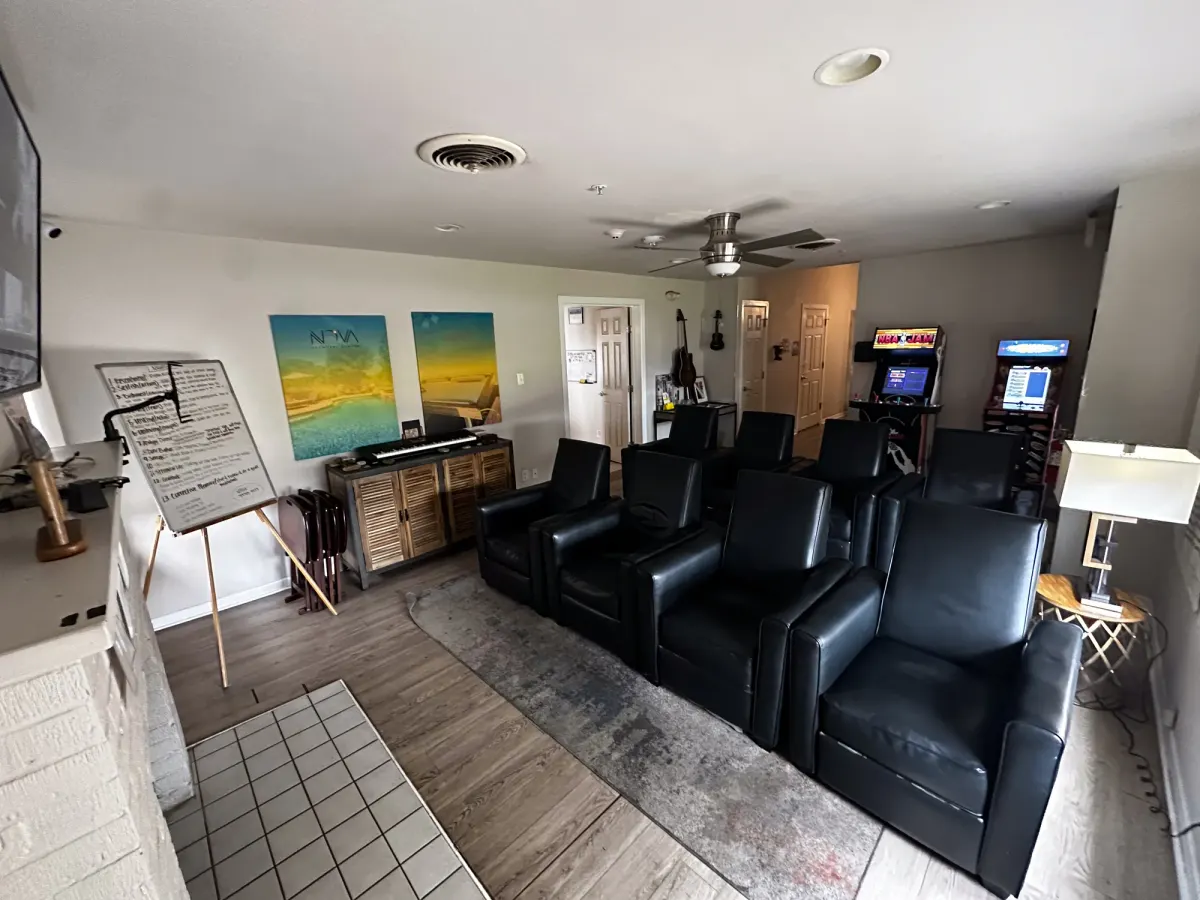 Inpatient
Austin, TX
11711 N Lamar Blvd · 78753
- 15 beds
- On-site labs
- 24-hour medical staff
Drug & Alcohol Detox in Austin, TX
-
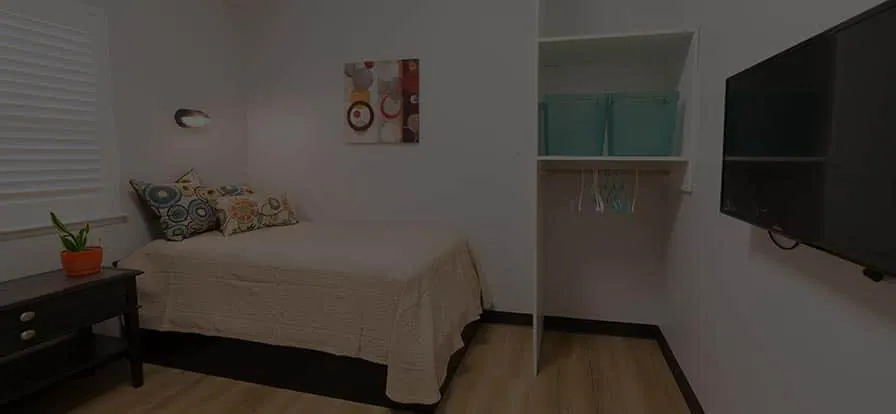 Inpatient
Houston, TX
1019 Ashland St · 77008
- On-site labs
- 24-hour medical staff
Drug Detox Center in Houston, TX
-
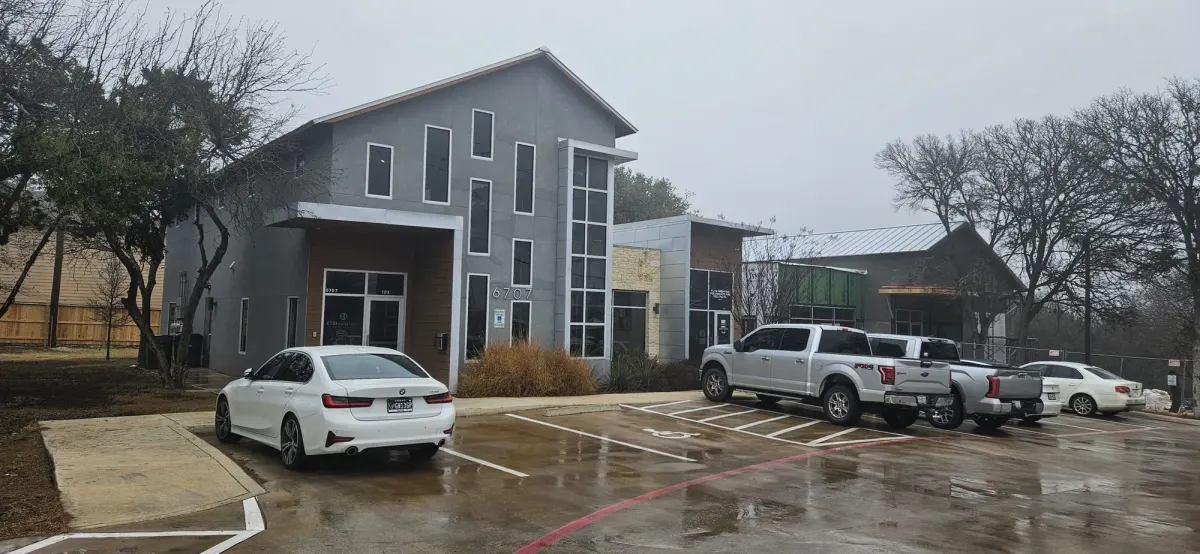 Outpatient
San Antonio, TX
6707 W Hausman Rd · 78249
- Outpatient detox with scheduled medical visits
- Outpatient treatment
Outpatient Drug & Alcohol Detox in San Antonio
Is ketamine addictive?
Yes, ketamine can be addictive: regular use builds tolerance, so more is needed for the same effect, and many people who try to stop find the cravings hard to resist.
Ketamine is a Schedule III controlled substance under federal law, which means it has accepted medical uses but is restricted because it can be misused. It is an anesthetic, and a related drug, esketamine (Spravato), is approved by the FDA for depression that has not responded to other treatment. Medical use happens under monitoring. Use outside that setting is what NIDA links to tolerance, memory problems, depression and anxiety, and NIDA notes that more research is needed on exactly how addictive it is.
Use is still uncommon but rising. Past-year nonmedical use in the United States reached about 0.9% in 2019, and the 2024 review notes a concerning increase in ketamine use disorder.
Sources: 21 CFR 1308.13, Schedule III, Code of Federal Regulations. Ketamine, National Institute on Drug Abuse. The Pharmacological Management of Ketamine Use Disorder, 2024.
When do you need medical care for ketamine withdrawal?
You need medical care if stopping brings thoughts of self-harm, if you also use alcohol, benzos or opioids, if bladder or stomach pain has started, or if past tries to quit failed.
Call 911 for an emergency: someone who cannot be woken, slow or stopped breathing, or a seizure. If an opioid overdose is suspected, call 911 and give naloxone if it is on hand.
Outside an emergency, a supervised stay makes sense when any of these is true:
- Daily or near-daily use, especially in large amounts.
- Use of alcohol, benzodiazepines or opioids as well. These carry withdrawal that can be medically serious, and the medical team plans for both at once.
- Depression, anxiety, paranoia, or a history of psychosis or bipolar disorder.
- Bladder pain, blood in the urine, or severe stomach cramps.
- Living alone, or stopping without anyone to check in.
- Earlier tries at quitting that ended in a return to use within days.
There is no FDA-approved medication for ketamine withdrawal or ketamine use disorder. Care is supportive: treating symptoms such as anxiety and craving as they come, watching vital signs, and managing any other withdrawal underneath. The medical team decides what that looks like for each person.
Sources: Ketamine, National Institute on Drug Abuse. Naltrexone in the Treatment of Ketamine Use Disorders, 2025. Lifesaving Naloxone, Centers for Disease Control and Prevention, 2025.
What happens in ketamine detox at Briarwood?
At Briarwood, ketamine detox is a medical stay. It starts with an assessment, nurses are on site day and night, and symptoms are treated as they appear.
The assessment matters more than usual with ketamine, because the person often arrives naming one drug and using several. Vital signs are checked every four hours for the first three days. A phone prescreen checks admission criteria, then a medical assessment and a treatment assessment at intake look at everything being used, any mental health history, and signs of bladder or stomach problems that need a doctor. A physician is on call, and a psychiatrist or psychiatric nurse practitioner sees detox patients. Most stays last five to seven days, and the length depends on medical need.
Briarwood runs inpatient medical detox in Austin and drug detox in Houston, with same-day admission when a bed is open. San Antonio offers outpatient detox for people who qualify. The hallucinogen and ketamine care page covers how Briarwood approaches LSD, psilocybin and MDMA, which do not have the same withdrawal. For the related anesthetic PCP, see what angel dust is.
Insurance usually covers medically necessary detox. Briarwood takes commercial plans, TRICARE and VA, but not Medicare or Medicaid. You can check your insurance for free, and detox costs lists the self-pay prices.
What comes after ketamine withdrawal?
After withdrawal, the work is staying stopped: cravings can outlast detox, so the next step is ongoing treatment, such as an intensive outpatient program, residential care or regular therapy.
Detox clears the drug and treats the first week. It does not treat the reasons someone started, and for many ketamine users that reason is depression or anxiety. The step after detox should treat that too. Briarwood arranges the next level of care before discharge, and its own intensive outpatient program meets Monday, Wednesday and Thursday evenings, 6 to 9 PM, in Austin, Houston and San Antonio. The what comes after detox page sets out every option.
Common Questions
Does ketamine have withdrawal symptoms?+–
Yes. People stopping after regular use report craving, anxiety, sweating and a racing heart. The Merck Manual lists anxiety, sweating and palpitations as ketamine withdrawal symptoms.
How long does ketamine withdrawal last?+–
In one treatment program, withdrawal medication was stopped by day five and people went home after about a week. Cravings can last for weeks, and in frequent users NIDA reports delusions lasting up to a month after stopping.
Can ketamine withdrawal kill you?+–
The clinical sources describe no withdrawal seizures or delirium with ketamine. The serious risks are depression and suicidal thoughts, other drugs used alongside it, and bladder damage from long-term use.
What are the signs of ketamine bladder damage?+–
Needing to urinate often and urgently, pain when urinating or above the pubic bone, and sometimes blood in the urine. It can look like a urinary tract infection. Stopping ketamine is necessary for it to improve.
Is there a medication for ketamine withdrawal?+–
No medication is FDA-approved for ketamine withdrawal or ketamine use disorder. Treatment is supportive: managing symptoms such as anxiety and craving, with the medical team deciding what each person needs.
Does Briarwood treat ketamine withdrawal?+–
Yes. Ketamine is treated as part of a medical detox stay in Austin or Houston, starting with an assessment that also checks for other drugs and for bladder or mood problems.
Related guides


About the people behind this guide
Anna-Grace Washington
Medical Content Writer
Anna-Grace Washington is a Medical Content Writer for Briarwood Detox Center. She holds a master’s degree in clinical psychology from the University of Texas and brings a strong understanding of behavioral health, addiction recovery, and evidence-based treatment concepts to her writing.
In network with most major insurance
Find your plan and see what detox would cost
Most plans cover medical detox. Coverage varies by plan, so we verify it for you before you commit to anything.



















Don't see your plan? We work with out-of-network benefits and offer self-pay options — (866) 710-7710
- Confidential
- Takes about 2 minutes
- No obligation to admit

- Accredited The Joint Commission
- Rated 4.7 · 184 Google reviews Flourishing Foundations Recovery, now part of Briarwood
- Admissions 24 hours a day