
Guide
Can You Get Addicted to Muscle Relaxers? Cyclobenzaprine, Soma and Baclofen Are Three Different Answers
Joint Commission accredited · In network with most major insurance · Admissions answered 24 hours a day

Published September 9, 2026
The honest answer to this question depends entirely on which muscle relaxer you mean, and most pages answer it as if they were all the same drug. They are not. Cyclobenzaprine, sold as Flexeril, is the one most people are asking about, and it sits at one end of the range. Carisoprodol, sold as Soma, sits at the other. Baclofen is a third case that has nothing to do with addiction and everything to do with how you stop.
Can you get addicted to cyclobenzaprine (Flexeril)?
Cyclobenzaprine is not a federally controlled substance and its label carries no habit-forming warning. The label goes further: the nausea, headache and malaise that can rarely follow stopping it after long use are, in its words, not indicative of addiction.
That is an unusually clear answer for a prescription drug, and it is worth taking at face value. Cyclobenzaprine is chemically a close relative of the older tricyclic antidepressants, not of the sedatives people become dependent on. It does not produce a reliable high, and it does not appear in the overdose statistics the way opioids, benzodiazepines and Soma do.
Two cautions sit inside that. First, the label limits it to two or three weeks because there is no evidence it helps beyond that, and a great many people are on it for months, which is a prescribing problem rather than an addiction. Second, some people do take it for its drowsiness, to sleep or to blunt anxiety, and taking a drug for something other than what it was prescribed for is the beginning of the pattern that matters, whatever the drug.
Source: AMRIX (cyclobenzaprine hydrochloride) prescribing information, U.S. Food and Drug Administration.
Which muscle relaxers are actually addictive?
Carisoprodol, sold as Soma, is the muscle relaxer that is actually addictive. Its label says it can be habit-forming, and the DEA placed it in Schedule IV in January 2012 after years of documented misuse.
The reason is what the body turns it into. Carisoprodol is metabolically converted to meprobamate, itself a Schedule IV sedative, and the scheduling decision recorded the FDA’s conclusion that its public health risks may therefore be similar to meprobamate’s, alongside animal studies showing effects similar to barbital, meprobamate and chlordiazepoxide. People who misuse Soma describe a sedation and a looseness that cyclobenzaprine does not give, and it is very often taken alongside opioids or alcohol to deepen both. Soma dependence is real, its withdrawal is real, and it is the muscle relaxer that brings people to detox.
Methocarbamol, sold as Robaxin, and tizanidine sit closer to cyclobenzaprine than to Soma, with no controlled-substance status and little misuse, though tizanidine has its own reasons not to be stopped abruptly.
Sources: Carisoprodol, MedlinePlus, National Library of Medicine; Placement of Carisoprodol Into Schedule IV, Federal Register 76 FR 77330, December 2011.
Where we are
Detox centers across Texas
Three locations, each with its own admissions line and its own clinical team. Pick the one nearest you — or call and we will tell you which has a bed tonight.
-
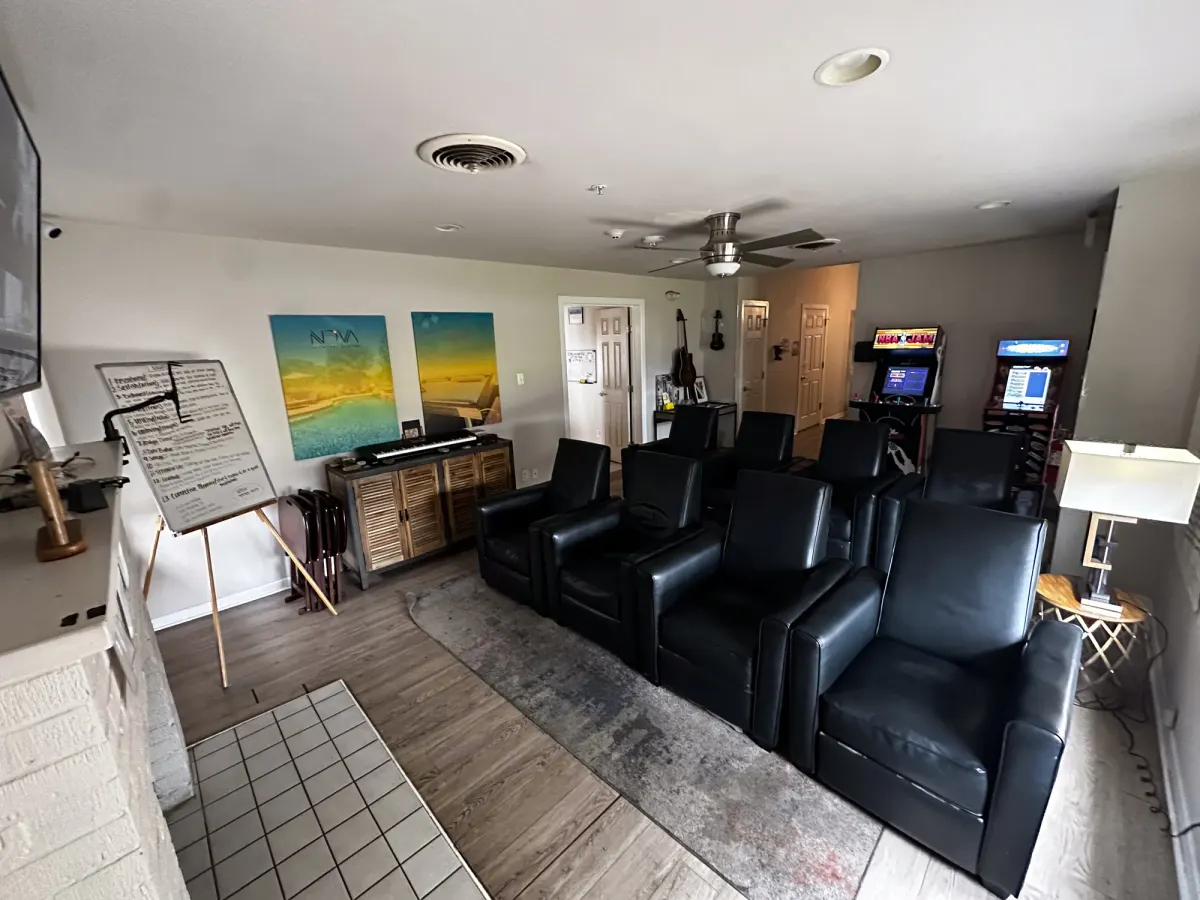 Inpatient
 Austin, TX
11711 N Lamar Blvd · 78753
- 15 beds
- On-site labs
- 24-hour medical staff
Drug & Alcohol Detox in Austin, TX
-
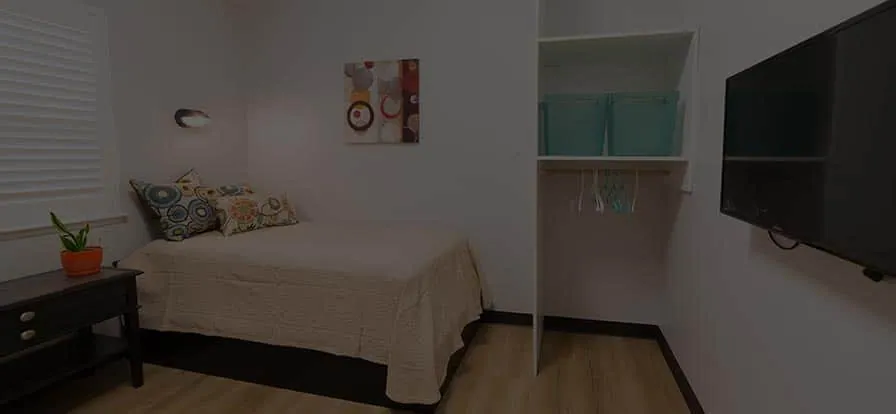 Inpatient
 Houston, TX
1019 Ashland St · 77008
- On-site labs
- 24-hour medical staff
Drug Detox Center in Houston, TX
-
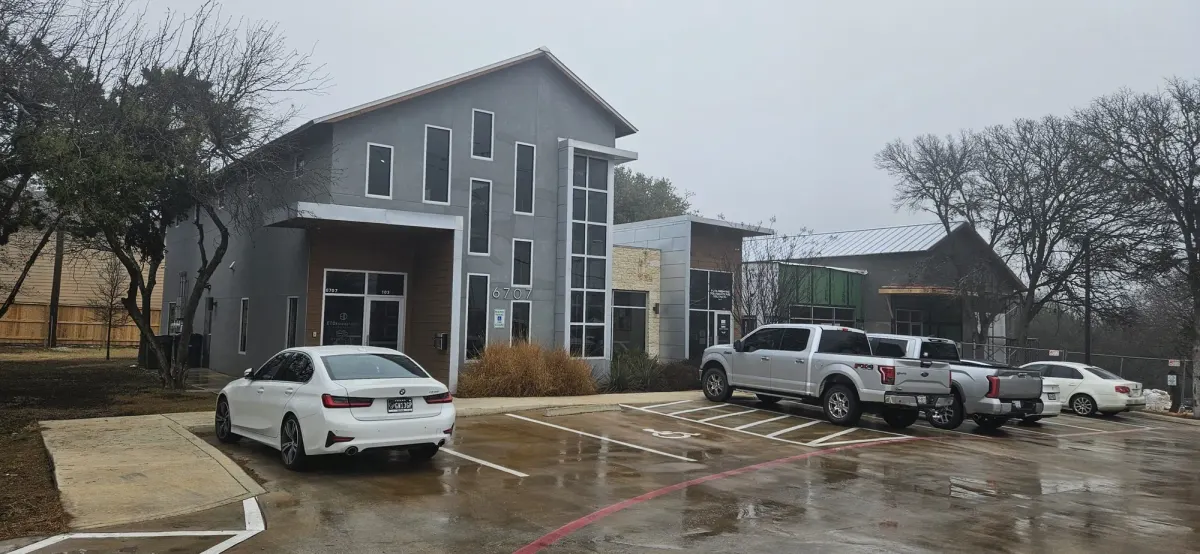 Outpatient
 San Antonio, TX
6707 W Hausman Rd · 78249
- Outpatient detox with scheduled medical visits
- Outpatient treatment
Outpatient Drug & Alcohol Detox in San Antonio
Can muscle relaxers get you high?
Muscle relaxers get you drowsy rather than high, and the danger in taking them for that effect is almost always what they are taken with.
Cyclobenzaprine’s label says plainly that it can make the effects of alcohol worse and that you should not drive until you know how it affects you. Carisoprodol’s says the same. Neither is a party drug on its own, but both are sedatives, and a sedative added to alcohol, to an opioid painkiller, or to a benzodiazepine adds to the breathing suppression of each. The people who end up in an emergency room with a muscle relaxer in their system almost never have only the muscle relaxer in their system.
So the honest version of “do muscle relaxers get you high” is: not much, and if you are taking them to get there, the drug you are pairing them with is the one to worry about.
Source: Cyclobenzaprine, MedlinePlus, National Library of Medicine.
Is there withdrawal from muscle relaxers?
Withdrawal from muscle relaxers ranges from almost nothing with cyclobenzaprine to a genuine medical emergency with baclofen, so the drug name matters more than the category.
With cyclobenzaprine, the label describes rare nausea, headache and malaise after stopping long-term use, and nothing more. With carisoprodol, stopping after regular use produces the withdrawal of the sedative it becomes, meprobamate: anxiety, insomnia, tremor, and in heavy use the same risks as any sedative withdrawal. With baclofen, the label is explicit that stopping abruptly can cause seizures, fever, confusion, muscle stiffness or hallucinations, and that the dose should be reduced gradually. That is not addiction. It is a drug the nervous system has adapted to, which is a different thing and in baclofen’s case a more dangerous one.
If you have been on any of these for months and want to stop, the first call is to whoever prescribed it, and for baclofen and Soma that call is not optional.
Source: Baclofen, MedlinePlus, National Library of Medicine.
When does muscle relaxer use become a problem that needs detox?
Muscle relaxer use becomes a problem that needs detox when it has stopped being about the muscle. Taking it to sleep or to calm down, a dose that has climbed, a stop you could not hold, or a pill that has become one of several sedatives you take together are the signs.
In practice, almost nobody comes to detox for cyclobenzaprine alone. People come for Soma, and they come for a muscle relaxer that has become part of a pattern with alcohol, an opioid or a benzodiazepine. The muscle relaxer is usually the smallest part of that picture and the other substances are what make the withdrawal dangerous. That is why the assessment at the start of detox asks about everything you take, not only the drug you called about.
The prescription drug detox page covers how Briarwood handles medications that were prescribed rather than bought, and the 10 dangerous alcohol and drug combinations page covers the pairings that turn a mild sedative into a serious one.
What does detox for muscle relaxers involve?
Detox for muscle relaxers is a medical assessment first, then a supervised taper for Soma or baclofen rather than an abrupt stop. Any alcohol, opioid or benzodiazepine dependence alongside it is managed as the main event.
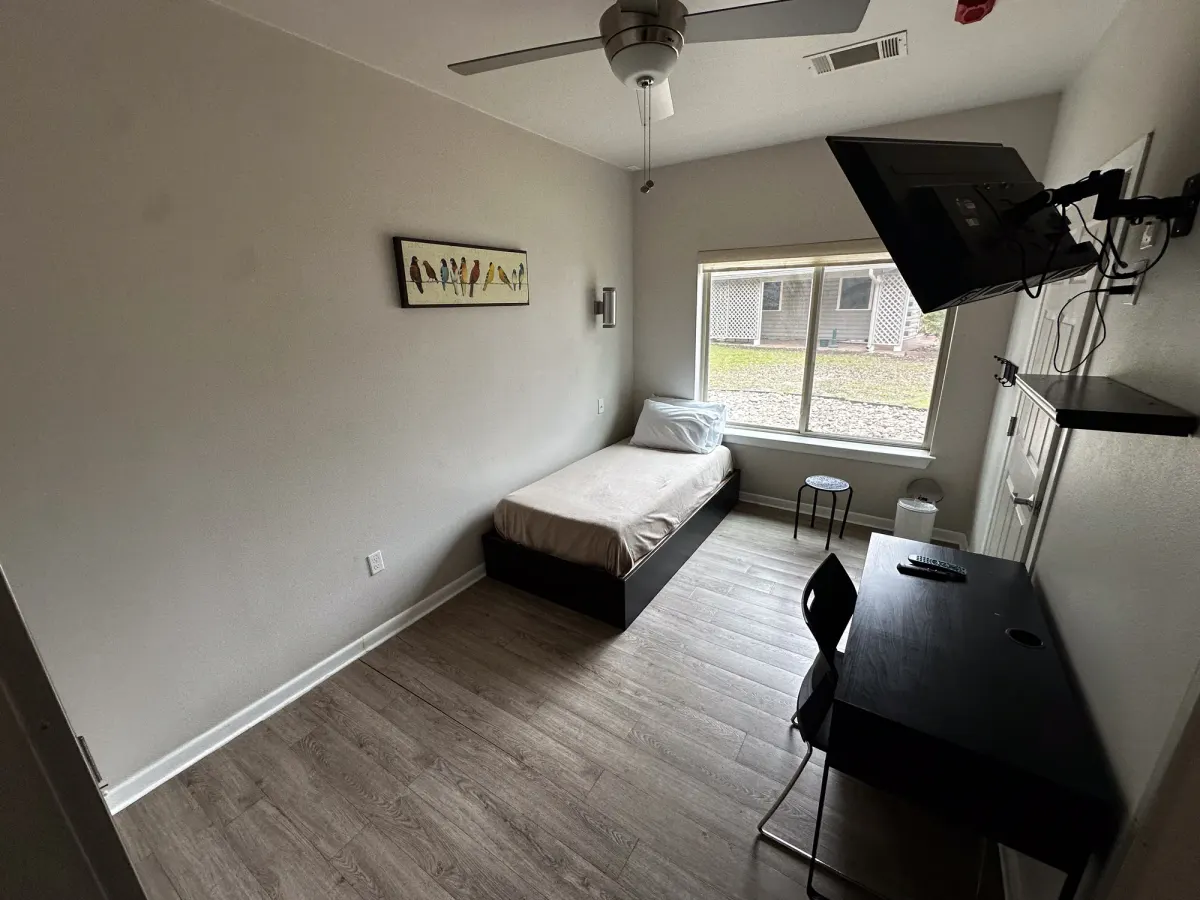
For someone on cyclobenzaprine alone, the answer after assessment is often that a detox stay is not needed and a conversation with the prescriber is. For someone on Soma, or on a muscle relaxer with other sedatives, it is an inpatient stay in Austin or Houston of usually five to seven days, vital signs and breathing monitored through the night, and the next step arranged before discharge. What that costs, self-pay and with insurance, is on how much detox costs. Admissions is answered around the clock, and the first thing a nurse will ask is which muscle relaxer, which is the right question.
Common Questions
Is Flexeril addictive?+–
Cyclobenzaprine, the drug in Flexeril, is not a controlled substance and its label states that the rare symptoms after stopping long-term use are not indicative of addiction. Misuse for its drowsiness happens, and combining it with alcohol or other sedatives is the real risk.
Is Soma addictive?+–
Yes. Carisoprodol can be habit-forming according to its label, it is metabolized to the sedative meprobamate, and the DEA placed it in Schedule IV in 2012. It is the muscle relaxer that most often brings people to detox.
What happens if you take muscle relaxers every day?+–
Cyclobenzaprine and carisoprodol are labeled for two to three weeks of use. Beyond that, benefit is unproven, tolerance to the sedation builds, and for Soma dependence can develop. Daily use for months is a reason to talk to the prescriber, not necessarily a sign of addiction.
Can you stop muscle relaxers cold turkey?+–
Cyclobenzaprine usually, with at most mild symptoms. Baclofen no: abrupt stopping can cause seizures and hallucinations and the label calls for a gradual reduction. Soma after regular use should also be tapered.
Does Briarwood detox from muscle relaxers?+–
Yes, most often for carisoprodol or for a muscle relaxer taken with alcohol, opioids or benzodiazepines. Cyclobenzaprine on its own rarely needs a detox stay, and the assessment will say so if that is the case.
Related guides

About the people behind this guide
Anna-Grace Washington
Medical Content Writer
Anna-Grace Washington is a Medical Content Writer for Briarwood Detox Center. She holds a master’s degree in clinical psychology from the University of Texas and brings a strong understanding of behavioral health, addiction recovery, and evidence-based treatment concepts to her writing.
Dr. Robert Ulrich, DO
Medical Director
Dr. Robert Ulrich serves as Medical Director at Briarwood Detox Center, bringing more than two decades of clinical neurology experience to the treatment of substance use disorders. He is board-certified in neurology by the American Board of Psychiatry and Neurology and completed his neurology residency at UT Southwestern Medical Center in Dallas, where he served as Chief Resident.
In network with most major insurance
Find your plan and see what detox would cost
Most plans cover medical detox. Coverage varies by plan, so we verify it for you before you commit to anything.



















Don't see your plan? We work with out-of-network benefits and offer self-pay options — (866) 710-7710
- Confidential
- Takes about 2 minutes
- No obligation to admit

- Accredited The Joint Commission
- Rated 4.7 · 183 Google reviews Flourishing Foundations Recovery, now part of Briarwood
- Admissions 24 hours a day