
Guide
What Is Medical Detox? What Happens, Who Needs It, and What It Costs
Joint Commission accredited · In network with most major insurance · Admissions answered 24 hours a day

Published December 13, 2024
Reviewed and updated November 23, 2026
Medical detox is withdrawal managed by medical staff. Nurses watch you around the clock, a physician directs your care, and medicine is used to keep withdrawal safe and easier to get through. It is also called medically supervised detox. It matters most for alcohol and benzodiazepines, whose withdrawal can be dangerous, and it helps with opioids, whose withdrawal is miserable. This guide explains who needs medical detox, what happens during a stay, how long it takes, what it costs at Briarwood, and what comes next.
What is medical detox?
Medical detox is the medical care of someone going through withdrawal after they stop or cut back on alcohol or drugs. Staff check your symptoms and vital signs, give medicine as needed, and treat complications.
The World Health Organization describes the standard team: a doctor who sees each patient on admission and stays on call, and nurses who monitor withdrawal, give medicines and explain what is happening. Staff are available 24 hours a day.
“Medically supervised detox” and “medically assisted detox” mean much the same thing. What matters is that a medical team, not willpower alone, is managing the withdrawal.
Source: Clinical Guidelines for Withdrawal Management, World Health Organization, 2009.
Who needs medical detox?
You need medical detox if your withdrawal could be dangerous, or if you have tried to stop before and could not get through it. That is most likely with alcohol, benzodiazepines, or more than one substance.
Alcohol. The National Library of Medicine says alcohol withdrawal may quickly become life threatening. People with moderate to severe symptoms may need a facility where they can be watched closely for signs of delirium tremens.
Benzodiazepines. The FDA warns that stopping a benzodiazepine suddenly can cause withdrawal reactions that can be life threatening, and recommends a gradual taper.
Opioids. Withdrawal from opioids on your own can be very hard and may be dangerous, says the National Library of Medicine. Medicines make it easier, and most opioid overdose deaths happen in people who have just detoxed, because their tolerance has dropped.
Not sure which applies to you? Our guide to at-home vs medical detox explains who can safely detox at home and who needs a bed.
Sources: Alcohol withdrawal and Opiate and opioid withdrawal, MedlinePlus, National Library of Medicine; FDA requiring Boxed Warning updated to improve safe use of benzodiazepine drug class, U.S. Food and Drug Administration.
What happens during medical detox?
Medical detox starts with an assessment, then close monitoring and medicine through the worst of withdrawal, then a plan for what comes next.
1. Assessment: what you use, how much, how long, and your health.
2. Monitoring: nurses check symptoms and vital signs around the clock.
3. Medicine: given as needed to keep withdrawal safe and bearable.
4. Next step: treatment after detox is arranged before you leave.
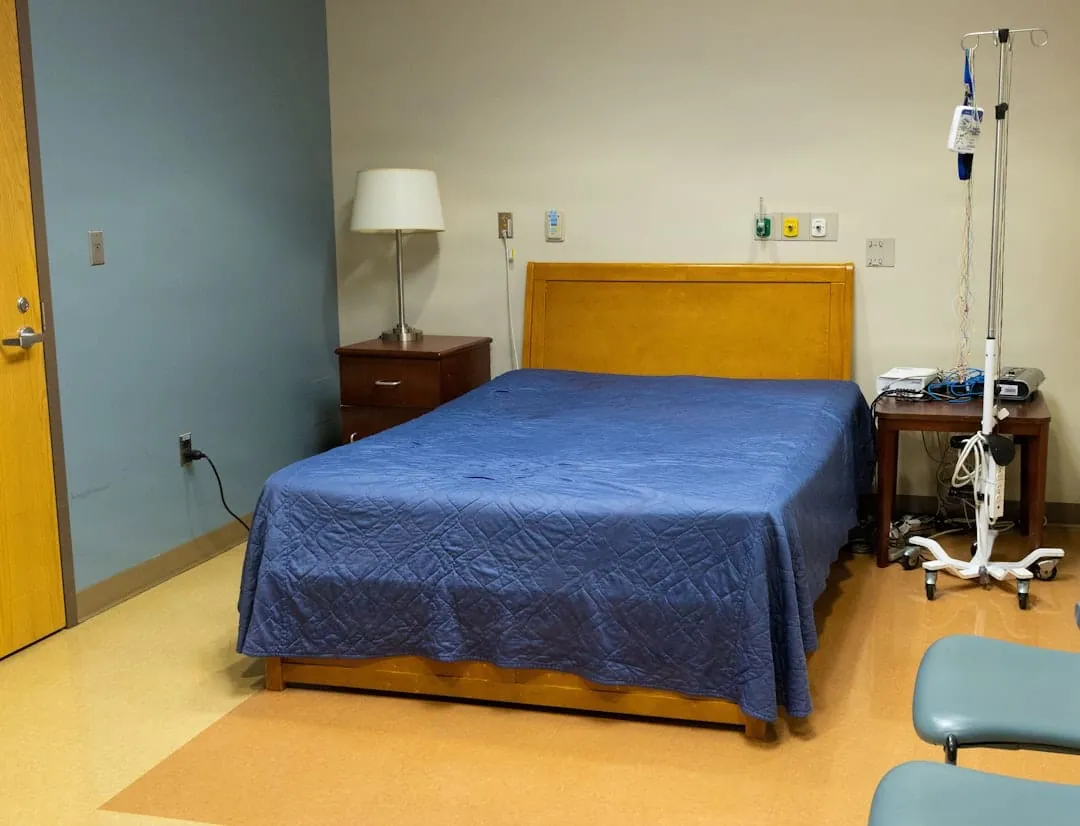
At Briarwood, a nurse is on site 24 hours a day and a physician is on call. Vital signs are checked every four hours for the first 72 hours. A psychiatrist or psychiatric nurse practitioner also sees detox patients. Families can be part of it too: see family involvement in detox.
For alcohol withdrawal, the National Library of Medicine says treatment may include monitoring blood pressure, temperature and heart rate, fluids, and sedatives until withdrawal is complete. For opioids, medicines such as buprenorphine, methadone and clonidine ease withdrawal.
Your medicines and doses are decided by your own medical team. Our guide to what to expect in medical detox walks through the first night and each day after.
Sources: Alcohol withdrawal and Opiate and opioid withdrawal, MedlinePlus, National Library of Medicine.
Where we are
Detox centers across Texas
Three locations, each with its own admissions line and its own clinical team. Pick the one nearest you — or call and we will tell you which has a bed tonight.
-
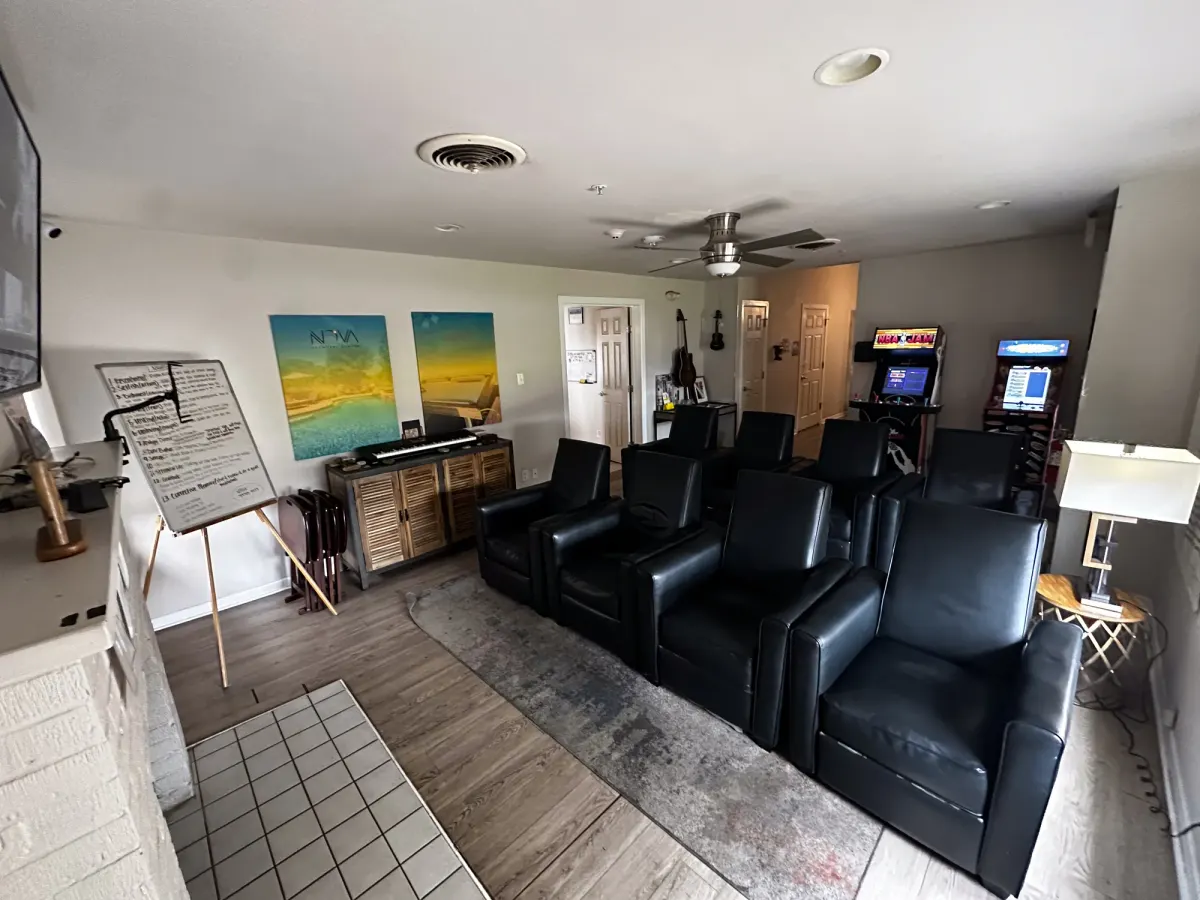 Inpatient
Austin, TX
11711 N Lamar Blvd · 78753
- 15 beds
- On-site labs
- 24-hour medical staff
Drug & Alcohol Detox in Austin, TX
-
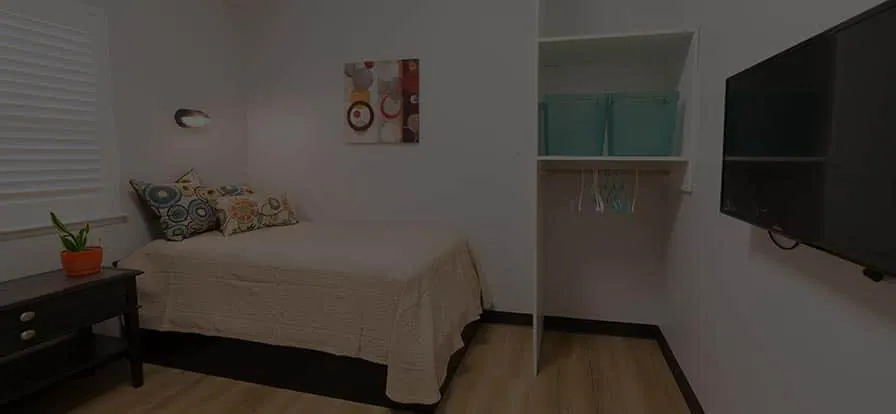 Inpatient
Houston, TX
1019 Ashland St · 77008
- On-site labs
- 24-hour medical staff
Drug Detox Center in Houston, TX
-
 Outpatient
San Antonio, TX
6707 W Hausman Rd · 78249
- Outpatient detox with scheduled medical visits
- Outpatient treatment
Outpatient Drug & Alcohol Detox in San Antonio
How long does medical detox take?
Most inpatient medical detox stays at Briarwood last five to seven days. The length depends on medical need, so nobody can promise an exact number of days before an assessment.
Alcohol withdrawal usually peaks within three days, while opioid and benzodiazepine withdrawal can run longer. See how long detox takes for the timeline by substance.
Is medical detox inpatient or outpatient?
It can be either. Inpatient medical detox means you stay at the center with nurses on site around the clock. Outpatient medical detox means you sleep at home and come to a clinic for scheduled visits.
The National Library of Medicine says people with mild to moderate alcohol withdrawal can often be treated as outpatients, with someone staying with them and daily visits until they are stable. Moderate to severe withdrawal may need a facility.
Briarwood runs inpatient medical detox in Austin and Houston, and outpatient detox at its San Antonio clinic. Read inpatient vs outpatient detox to see which fits, or insurance and cost of outpatient detox for how outpatient detox is paid for.
Source: Alcohol withdrawal, MedlinePlus, National Library of Medicine.
How much does medical detox cost?
Without insurance, inpatient medical detox at Briarwood costs $900 a day, or $4,500 to $6,300 for a typical five to seven day stay. Medicines, labs and transport are billed separately.
With insurance, most people pay between $0 and $5,000 out of pocket. Briarwood accepts commercial insurance, TRICARE and VA benefits, but not Medicare or Medicaid. Admissions checks your benefits for free, or you can verify your insurance online.
See does insurance cover detox and rehab for what plans pay, or the cost and insurance page for the full price list.
Is medical detox the same as rehab?
No. Medical detox treats withdrawal. Rehab treats the addiction itself, with counseling and other therapy over weeks or months.
The World Health Organization says it is unrealistic to expect withdrawal management alone to lead to lasting abstinence. It calls detox an important first step before treatment begins. Our guide to detox vs rehab explains which comes first and whether you need both.
After detox, many people go on to an intensive outpatient program. Others need residential treatment first.
Source: Clinical Guidelines for Withdrawal Management, World Health Organization, 2009.
Where can I get medical detox in Texas?
Briarwood runs medical detox in Austin and medical detox in Houston, with a nurse on site 24 hours a day. There is also outpatient detox in San Antonio for milder withdrawal.
See how medically assisted detox works across our centers, or read about alcohol detox and benzodiazepine detox in particular.
Briarwood offers same-day admissions. If you are in danger right now, call 911. If you are thinking about hurting yourself, call or text 988 any time, day or night.
Common Questions
What is medical detox?+–
Medical detox is withdrawal managed by medical staff. Nurses monitor you around the clock, a physician directs your care, and medicine is used to keep withdrawal safe.
Who needs medical detox?+–
Anyone whose withdrawal could be dangerous, especially from alcohol or benzodiazepines, or from more than one substance. It also helps with opioid withdrawal, which is hard to get through alone.
What is the difference between detox and medical detox?+–
Detox just means stopping the drug and getting through withdrawal. Medical detox means doing it with medical staff watching you and treating symptoms as they appear.
How long does medical detox take?+–
Most inpatient stays at Briarwood last five to seven days. The length depends on the substance and your health, so nobody can promise an exact number of days in advance.
Does insurance cover medical detox?+–
Usually. Briarwood accepts commercial insurance, TRICARE and VA benefits, and checks your coverage for free. It does not accept Medicare or Medicaid.
Is medical detox the same as rehab?+–
No. Medical detox treats withdrawal, usually over about a week. Rehab treats the addiction afterward, through counseling and therapy.
Can I start medical detox today?+–
Often, yes. Briarwood offers same-day admissions in Austin and Houston, and admissions checks your insurance on the first call.
Related guides


About the people behind this guide
Anna-Grace Washington
Medical Content Writer
Anna-Grace Washington is a Medical Content Writer for Briarwood Detox Center. She holds a master’s degree in clinical psychology from the University of Texas and brings a strong understanding of behavioral health, addiction recovery, and evidence-based treatment concepts to her writing.
In network with most major insurance
Find your plan and see what detox would cost
Most plans cover medical detox. Coverage varies by plan, so we verify it for you before you commit to anything.



















Don't see your plan? We work with out-of-network benefits and offer self-pay options — (866) 710-7710
- Confidential
- Takes about 2 minutes
- No obligation to admit
- Accredited The Joint Commission
- Rated 4.5 · 96 Google reviews
- Admissions 24 hours a day