
Guide
Why Do I Feel Unfocused and Unmotivated Without Kratom? Withdrawal, How Long It Lasts, and When to Get Help
Joint Commission accredited · In network with most major insurance · Admissions answered 24 hours a day

Published November 29, 2025
Reviewed and updated November 28, 2026
Feeling foggy, tired and unmotivated after you stop kratom is usually withdrawal. Kratom’s main compounds act on the same receptors as opioids, so regular use builds dependence, and studies of regular users report low energy, irritability, anxiety, low mood, poor sleep and trouble concentrating when they stop. For most people the worst passes within a few days, but heavier and longer use can make it last longer. If you started kratom for energy or focus, part of the fog may also be the original problem coming back. This page covers why it happens, how long it lasts, and when it needs medical care.
Why do I feel unfocused and unmotivated without kratom?
You feel unfocused and unmotivated without kratom because your brain has adapted to it. Kratom’s main compounds act on opioid receptors, and stopping after regular use causes withdrawal, which includes low energy, low mood and poor concentration.
Mitragynine and 7-hydroxymitragynine, the main active compounds in kratom, both activate mu-opioid receptors, according to the National Institute on Drug Abuse. A 2020 review describes them as partial opioid agonists that lead to dependence, tolerance and withdrawal when regular use stops. The same review lists loss of concentration among the withdrawal symptoms, alongside depressed mood, anxiety, restlessness and irritability.
In a 2022 survey of US adults, half of those who met the criteria for kratom use disorder reported low energy when they stopped for a day or longer. More than half reported irritability, half reported anxiety, and about 4 in 10 reported low mood. Low energy is often what people mean when they say they feel unmotivated.
Sources: Kratom, National Institute on Drug Abuse, 2026. Bin Abdullah, review of kratom dependence and treatment options, Current Drug Targets, 2020. Assessment of Kratom Use Disorder and Withdrawal Among an Online Convenience Sample of US Adults, Journal of Addiction Medicine, 2022.
What are the other symptoms of kratom withdrawal?
Kratom withdrawal also causes physical symptoms like opioid withdrawal: muscle aches, jerky movements of the arms and legs, a runny nose, hot flashes, fever, poor appetite, diarrhea and trouble sleeping.
A 2014 study of 293 regular users in Malaysia recorded muscle spasms and pain, sleeping difficulty, watery eyes and nose, hot flashes, fever, decreased appetite and diarrhea. The psychological symptoms were restlessness, tension, anger, sadness and nervousness. A 2015 review adds jerky movements of the limbs. Craving is common too.
The National Institute on Drug Abuse says studies suggest withdrawal is mild to moderate. That matches a large 2020 US survey of nearly 2,800 users, where average withdrawal scores were in the mild range. It does not match everyone: the Malaysian study found that more than half of people who had used kratom for over six months had severe dependence.
Sources: Kratom dependence, withdrawal symptoms and craving in regular users, Drug and Alcohol Dependence, 2014. Following “the Roots” of Kratom, BioMed Research International, 2015. Kratom (Mitragyna speciosa): User demographics, use patterns, and implications for the opioid epidemic, Drug and Alcohol Dependence, 2020.
How long does kratom withdrawal last?
For most people, kratom withdrawal symptoms ease within one to three days, but longer and heavier use can make withdrawal last longer and feel worse. Lingering symptoms have been described online, but they have not been well studied.
A 2022 clinical guide for health care providers summarizes the main study: symptoms resolved within one to three days for most people. The same guide adds that a longer history of use and higher average use may make withdrawal longer and more severe. A separate 2022 study found the same thing: the more weeks of regular use, the worse the effects of stopping.
What about the brain fog that hangs on for weeks? Here the evidence is thin, and it is better to say so. A 2024 analysis of online kratom forums found posts describing lingering symptoms after the acute withdrawal had passed, and suggested that more severe dependence may be more common with concentrated extracts. Kratom withdrawal itself has not been studied much, according to the National Institute on Drug Abuse, and how long low energy or poor focus lasts has not been measured. If fog lasts more than a couple of weeks, it is worth a medical look rather than just waiting.
Sources: Understanding Kratom Use: A Guide for Healthcare Providers, Frontiers in Pharmacology, 2022. Kratom, National Institute on Drug Abuse, 2026. Searching for a Signal, Frontiers in Pharmacology, 2022. Growing pains with kratom, Frontiers in Pharmacology, 2024.
Where we are
Detox centers across Texas
Three locations, each with its own admissions line and its own clinical team. Pick the one nearest you — or call and we will tell you which has a bed tonight.
-
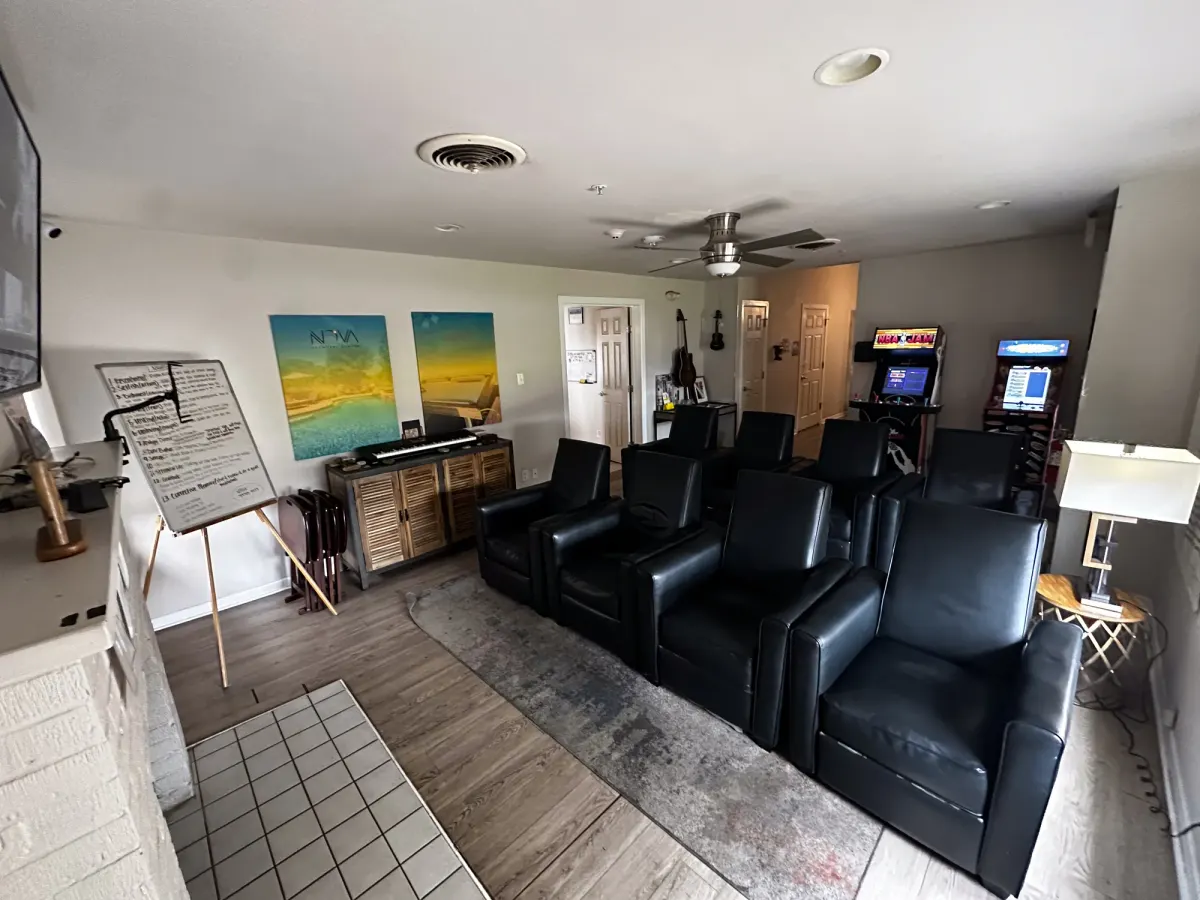 Inpatient
Austin, TX
11711 N Lamar Blvd · 78753
- 15 beds
- On-site labs
- 24-hour medical staff
Drug & Alcohol Detox in Austin, TX
-
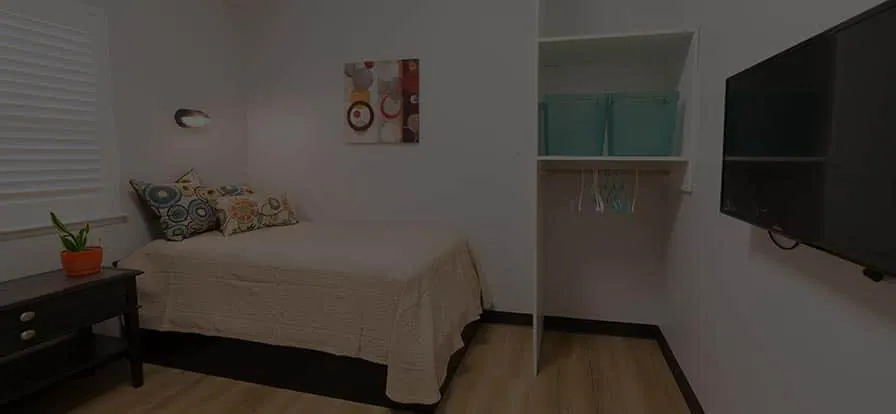 Inpatient
Houston, TX
1019 Ashland St · 77008
- On-site labs
- 24-hour medical staff
Drug Detox Center in Houston, TX
-
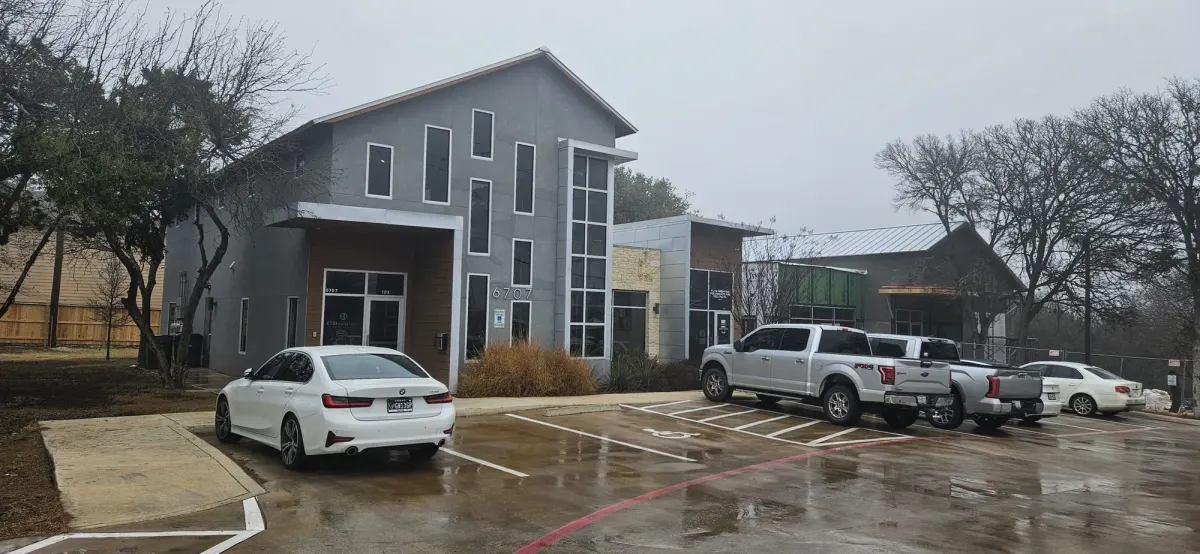 Outpatient
San Antonio, TX
6707 W Hausman Rd · 78249
- Outpatient detox with scheduled medical visits
- Outpatient treatment
Outpatient Drug & Alcohol Detox in San Antonio
Is it withdrawal, or was the problem there before kratom?
Sometimes both: many people use kratom for energy or to ease anxiety or low mood, so when they stop, withdrawal and the original problem can show up at the same time.
In a 2020 survey of nearly 2,800 kratom users, about two thirds used it for anxiety and about two thirds for depression. In a 2022 study, half used it for sleepiness or low energy and about 4 in 10 to self-treat depressive symptoms. In the same 2022 study, about half also used it to boost energy or stamina.
That matters for what comes next. Withdrawal fog should start to lift as the withdrawal passes. Low mood, anxiety or poor focus that was there before kratom may not lift when the withdrawal does, and it deserves real treatment. The clinical guide above suggests that people using kratom to manage anxiety learn about proven options, such as cognitive behavioral therapy.
Sources: Kratom (Mitragyna speciosa): User demographics, use patterns, and implications for the opioid epidemic, Drug and Alcohol Dependence, 2020. Kratom use as more than a “self-treatment”, American Journal of Drug and Alcohol Abuse, 2022. Understanding Kratom Use: A Guide for Healthcare Providers, Frontiers in Pharmacology, 2022.
Who is most likely to have a hard kratom withdrawal?
Kratom withdrawal tends to be harder for people who have used it daily for months or use more of it, and may be harder with concentrated extracts. Using alcohol, benzodiazepines or opioids as well adds its own risks.
In a 2024 study of more than 2,000 people who use kratom, about a quarter met the criteria for kratom use disorder. Among them, 81% had tolerance and 68% had withdrawal. People with another substance use disorder had almost three times the odds of kratom use disorder. The Malaysian study above linked heavier daily use to severe dependence and withdrawal, and the 2024 forum analysis suggested severe dependence may be more common with concentrated extracts. Concentrated 7-OH products are a particular worry: Texas health officials warned in 2025 to avoid all products containing 7-OH.
Sources: Prevalence of Kratom Use Disorder Among Kratom Consumers, Journal of Addiction Medicine, 2024. Kratom dependence, withdrawal symptoms and craving in regular users, Drug and Alcohol Dependence, 2014. Growing pains with kratom, Frontiers in Pharmacology, 2024. Public health officials warn people not to use 7-OH products, Texas Department of State Health Services, 2025.
When do you need medical detox for kratom?
Get medical help to stop kratom if you also use alcohol, benzos or opioids, or have had severe or long-lasting withdrawal before. It is also worth getting help if you use 7-OH products or past tries to quit have not lasted.
There are no approved medications for kratom withdrawal, according to the National Institute on Drug Abuse. In practice, doctors often treat it like opioid withdrawal. A 2021 survey of addiction medicine doctors found that 89.5% of those who had treated kratom use disorder on its own had used buprenorphine, and the authors suggested that opioid use disorder medications be used for moderate to severe cases. The 2020 review above describes buprenorphine-naloxone as a promising treatment for detox.
Mixing matters most. The clinical guide warns of risky interactions between kratom and alcohol, opioids or benzodiazepines, which can slow breathing. Anyone using kratom alongside those should not stop everything at home without a plan. The medical team decides what treatment fits.
Sources: Kratom, NIDA. Pharmacotherapy for Management of ‘Kratom Use Disorder’: A Systematic Literature Review With Survey of Experts, WMJ, 2021. Understanding Kratom Use: A Guide for Healthcare Providers, Frontiers in Pharmacology, 2022. Bin Abdullah, review of kratom dependence and treatment options, Current Drug Targets, 2020.
Is kratom legal in Texas?
Kratom is legal for adults in Texas, but state law bans kratom products with more than 2% 7-OH or any synthetic 7-OH, and selling kratom to anyone under 18 is illegal.
Texas passed its kratom law in 2023. Federally, the Drug Enforcement Administration lists kratom as unscheduled with no approved medical use. On October 14, 2026, the DEA published a notice of intent to place specified thresholds of 7-OH into Schedule I, where it has already put some related compounds. The Food and Drug Administration says there are no approved kratom drug products and that kratom is not appropriate as a dietary supplement. Legal does not mean safe, and it does not mean a product contains what the label says.
Sources: Senate Bill 497, enrolled text, Texas Legislature, 2023. Kratom, Drug Enforcement Administration, Diversion Control Division, 2026. FDA and Kratom, U.S. Food and Drug Administration.
How does Briarwood help with kratom withdrawal?
Briarwood admits and detoxes kratom and 7-OH dependence in Austin and Houston, with a nurse on site 24 hours a day and treatment decided by the medical team.
Admission starts with a phone prescreen, then a medical assessment and a treatment assessment at intake. Tell the team how long and how much you have used, whether you use concentrated 7-OH products, and what else you take, because alcohol, benzodiazepines or opioids change the risks. Most stays last five to seven days, depending on medical need. If kratom was covering anxiety, low mood or poor focus, detox is a good time to raise that too, and Briarwood arranges the next step before you leave.
Read more about 7-OH withdrawal and kava and kratom withdrawal. Briarwood runs inpatient drug detox in Austin and detox in Houston, with same-day admission when a bed is open. Insurance usually covers medically necessary detox. Briarwood takes commercial plans, TRICARE and VA, but not Medicare or Medicaid. You can check your insurance before you call.
Common Questions
Why do I feel so tired and unmotivated after stopping kratom?+–
Kratom acts on opioid receptors, and stopping after regular use causes withdrawal. Low energy, low mood, poor sleep and poor concentration are commonly reported withdrawal symptoms.
How long does kratom brain fog last?+–
The main withdrawal symptoms usually ease within one to three days, longer with heavier use. Lingering symptoms have been described but not well studied; if fog lasts more than a couple of weeks, see a doctor.
Is kratom withdrawal dangerous?+–
Studies suggest it is usually mild to moderate. It becomes riskier with heavy daily use, concentrated products, or when alcohol, benzodiazepines or opioids are also involved.
What helps kratom withdrawal?+–
There are no approved medications for it. Doctors often treat it like opioid withdrawal, most often with buprenorphine.
Can Briarwood help with kratom withdrawal?+–
Yes. Briarwood admits and detoxes kratom and 7-OH dependence in Austin and Houston, starting with a phone prescreen and medical and treatment assessments at intake.
Related guides
About the people behind this guide
Anna-Grace Washington
Medical Content Writer
Anna-Grace Washington is a Medical Content Writer for Briarwood Detox Center. She holds a master’s degree in clinical psychology from the University of Texas and brings a strong understanding of behavioral health, addiction recovery, and evidence-based treatment concepts to her writing.
In network with most major insurance
Find your plan and see what detox would cost
Most plans cover medical detox. Coverage varies by plan, so we verify it for you before you commit to anything.



















Don't see your plan? We work with out-of-network benefits and offer self-pay options — (866) 710-7710
- Confidential
- Takes about 2 minutes
- No obligation to admit

- Accredited The Joint Commission
- Rated 4.7 · 184 Google reviews Flourishing Foundations Recovery, now part of Briarwood
- Admissions 24 hours a day