
Guide
Binge Drinking vs. Alcoholism: What's the Difference?
Joint Commission accredited · In network with most major insurance · Admissions answered 24 hours a day

Published July 25, 2017
Reviewed and updated November 17, 2026
Binge drinking is a way of drinking on one occasion. Alcoholism, which doctors now call alcohol use disorder, is a medical condition: drinking you can’t control, that keeps going even when it causes harm. You can binge without having the disorder, and many people with the disorder don’t binge. This guide explains where the lines are and when binge drinking has become something more.
What is the difference between binge drinking and alcoholism?
Binge drinking describes how much you drink in one sitting. Alcoholism describes what drinking does to your life over time: losing control, cravings, and drinking despite harm.
One is about the amount on a given night. The other is about a pattern across the past year. A person who binges once a month at weddings and someone who can’t get through a morning without a drink are in very different places, even if both “drink too much”.
The two overlap more as binges get more frequent. The rest of this page explains each one, and the signs that one is becoming the other.
What counts as binge drinking?
Binge drinking means drinking enough to bring your blood alcohol to 0.08% or higher. For a typical adult, that is five or more drinks for a man, or four or more for a woman, in about two hours.
A standard drink in the US holds 14 grams of pure alcohol. That is about 12 ounces of regular beer, 5 ounces of wine, or 1.5 ounces of liquor. A large pour of wine or a strong cocktail can count as two.
Source: Drinking levels defined, National Institute on Alcohol Abuse and Alcoholism (NIAAA).
What is high-intensity drinking?
High-intensity drinking is drinking at twice the binge level or more. That means 10 or more drinks for a man, or 8 or more for a woman, on one occasion.
Research suggests it peaks around age 21 and is most common among young adults in college. The NIAAA singles it out because it carries an even greater risk of serious health and safety harm than binge drinking.
Source: Binge drinking and Drinking levels defined, NIAAA.
What is heavy drinking?
For men, heavy drinking means five or more drinks on any day, or 15 or more in a week. For women, it means four or more on any day, or eight or more in a week.
Heavy drinking is about how often you drink, not just how much on one night. A person can have two or three drinks every evening, never feel drunk, and still pass the weekly line. Binge drinking and heavy drinking both count as alcohol misuse, but neither is the same thing as a disorder.
Source: Drinking levels defined, NIAAA.
Where we are
Detox centers across Texas
Three locations, each with its own admissions line and its own clinical team. Pick the one nearest you — or call and we will tell you which has a bed tonight.
-
 Inpatient
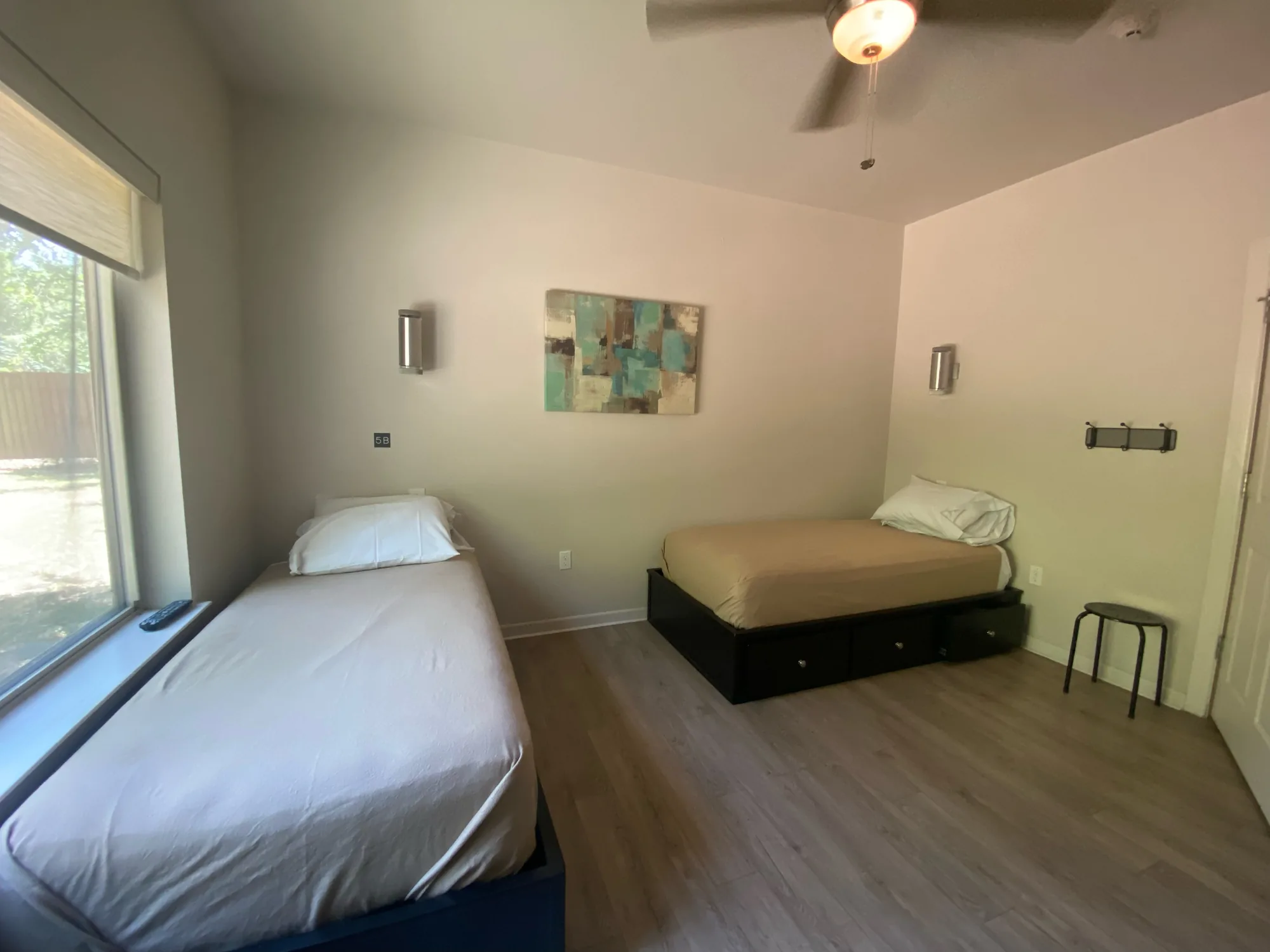
Austin, TX
11711 N Lamar Blvd · 78753
- 15 beds
- On-site labs
- 24-hour medical staff
Drug & Alcohol Detox in Austin, TX
-
 Inpatient
Houston, TX
1019 Ashland St · 77008
- On-site labs
- 24-hour medical staff
Drug Detox Center in Houston, TX
-
 Outpatient
San Antonio, TX
6707 W Hausman Rd · 78249
- Outpatient detox with scheduled medical visits
- Outpatient treatment
Outpatient Drug & Alcohol Detox in San Antonio
Is binge drinking a form of alcoholism?
Not by itself. In a large CDC study of US adults, about 9 in 10 people who drank too much, most of them binge drinkers, did not meet the criteria for alcohol dependence.
That changes with frequency. Among people who binged once or twice in the past month, about 4% were dependent. Among those who binged 10 or more times, it was nearly 30%. The more often binges happen, the more likely they have become a disorder.
“Alcohol dependence” was the diagnosis at the time of the study. Today it falls under alcohol use disorder.
Source: Prevalence of alcohol dependence among US adult drinkers, 2009–2011, Esser and colleagues, Preventing Chronic Disease, 2014.
What is alcohol use disorder?
Alcohol use disorder (AUD) is a medical condition in which you can’t stop or control your drinking even though it is hurting your health, work or relationships. It covers what people call alcoholism, alcohol abuse and alcohol dependence.
Doctors use 11 criteria from the DSM-5, looking back over the past year. Meeting two or three means a mild disorder, four or five moderate, and six or more severe. AUD is treatable at every level, with therapy, support groups and medicines approved by the FDA.
Source: Understanding alcohol use disorder, NIAAA.
Signs binge drinking has become a problem
The warning signs are about control and harm, not the number of drinks. These questions come from the criteria doctors use. In the past year, have you:
- ended up drinking more, or for longer, than you meant to?
- wanted to cut down, or tried to, and couldn’t?
- had cravings so strong you couldn’t think of anything else?
- kept drinking even though it caused trouble with family, friends or work?
- given up things you enjoyed so you could drink?
- had memory blackouts, or got into dangerous situations while drinking?
- needed more alcohol to feel the same effect?
- had shakiness, sweating, trouble sleeping, a racing heart or nausea as the alcohol wore off?
Two or more yes answers is a reason to talk to a doctor. NIAAA’s Rethinking Drinking tools can help you look at your own pattern, and our alcohol assessment test guide explains what a professional screening involves.
Source: Understanding alcohol use disorder, NIAAA.
Can binge drinkers get alcohol withdrawal?
They can, but it usually takes frequent heavy drinking. The more often you drink, the more likely you are to have withdrawal symptoms when you stop.
A hangover and withdrawal are not the same thing. A hangover peaks as your blood alcohol falls back to zero and can last a day or more. Withdrawal usually starts within 8 hours of the last drink, peaks between 24 and 72 hours, and brings anxiety, shaking, sweating and a fast heartbeat.
If you have the shakes or feel sick until you drink again, or you drink in the morning to feel normal, treat that as withdrawal. Severe withdrawal can cause seizures or delirium tremens. Don’t stop suddenly on your own, and get medical advice first. Our guide to what happens when you stop drinking walks through the first days, hour by hour.
Sources: Alcohol withdrawal, MedlinePlus; Hangovers, NIAAA.
Where Briarwood fits
If your binges have stopped being occasional, or stopping now brings on shakes, sweats or anxiety, the safest first step is a medical detox. The risk of withdrawal grows with how often you drink.
Briarwood runs inpatient alcohol detox, with a nurse on site 24 hours a day and a physician on call. Most stays last five to seven days. We offer alcohol detox in Austin, inpatient detox in Houston, and outpatient detox in San Antonio when withdrawal is mild and you have support at home.
If you binge but don’t have withdrawal symptoms, you may not need detox at all. An intensive outpatient program gives you therapy several days a week while you keep your job and home life.
If you are thinking about hurting yourself, call or text 988 any time, day or night.
Common Questions
Is binge drinking the same as alcoholism?+–
No. Binge drinking is drinking to a blood alcohol of 0.08% or more on one occasion. Alcoholism, now called alcohol use disorder, is losing control of your drinking over time despite harm.
Is a binge drinker an alcoholic?+–
Usually not. A CDC study found about 9 in 10 people who drank too much did not meet the criteria for dependence. The odds rise sharply the more often someone binges.
How many drinks is binge drinking?+–
Five or more drinks for a man, or four or more for a woman, in about two hours. That is enough to bring a typical adult's blood alcohol to 0.08%.
What is the difference between binge drinking and heavy drinking?+–
Binge drinking is about one occasion. Heavy drinking is about your overall pattern: five or more drinks a day or 15 a week for men, four a day or eight a week for women.
What is high-intensity drinking?+–
Drinking at twice the binge level or more: 10 or more drinks for a man, 8 or more for a woman, on one occasion. It is most common among young adults.
Can you be an alcoholic if you only drink on weekends?+–
Yes. Alcohol use disorder depends on loss of control and harm, not on which days you drink. Weekend-only drinking that you can't limit, or that causes problems, can meet the criteria.
Can binge drinking cause withdrawal?+–
Frequent binge drinking can. Shaking, sweating, anxiety or a racing heart in the hours after you stop is withdrawal, not a hangover, and needs medical advice before you quit.
Related guides


About the people behind this guide
Anna-Grace Washington
Medical Content Writer
Anna-Grace Washington is a Medical Content Writer for Briarwood Detox Center. She holds a master’s degree in clinical psychology from the University of Texas and brings a strong understanding of behavioral health, addiction recovery, and evidence-based treatment concepts to her writing.
In network with most major insurance
Find your plan and see what detox would cost
Most plans cover medical detox. Coverage varies by plan, so we verify it for you before you commit to anything.



















Don't see your plan? We work with out-of-network benefits and offer self-pay options — (866) 710-7710
- Confidential
- Takes about 2 minutes
- No obligation to admit
- Accredited The Joint Commission
- Rated 4.7 · 184 Google reviews Flourishing Foundations Recovery, now part of Briarwood
- Admissions 24 hours a day