
Guide
Crack vs. Meth: Are They the Same? How They Differ, and How Each Is Treated
Joint Commission accredited · In network with most major insurance · Admissions answered 24 hours a day

Published November 4, 2026
Crack and meth are often confused, partly because both are stimulants, both are often smoked, and both can look like rocks or crystals. But they are different drugs, made from different things, and they act on the body for very different lengths of time. This page explains how they differ, what each does, why the fentanyl risk applies to both, and how each is treated.
Are crack and meth the same thing?
No. Crack is a form of cocaine, which comes from the coca plant. Meth, or methamphetamine, is a different stimulant that is made in a lab.
The National Institute on Drug Abuse explains that crack is made by processing cocaine with baking soda or ammonia and water, then heating it into a rock that can be smoked. The name comes from the crackling sound it makes when heated.
Methamphetamine is a powerful synthetic stimulant. When it is sold as shiny bluish-white rocks or crystals, it is called crystal meth, ice or Tina. It is most often smoked, but it can also be snorted, injected or swallowed.
Source: Cocaine and Methamphetamine, National Institute on Drug Abuse.
What is the biggest difference between crack and meth?
How long they last. A crack high fades within minutes to an hour, while meth’s effects last much longer, because the body clears it far more slowly.
The National Institute on Drug Abuse says cocaine’s effects appear almost at once and usually fade within a few minutes to an hour. That short high is part of why people binge on crack, using again and again to chase it.
The numbers show the gap. ARUP Laboratories puts cocaine’s half-life at 0.7 to 1.5 hours and methamphetamine’s at 6 to 17 hours. In urine, cocaine’s main breakdown product usually shows for 1 to 2 days, and meth for 1 to 5 days.
Source: Drug Plasma Half-Life and Urine Detection Window, ARUP Laboratories, October 2023.
How do the effects of crack and meth compare?
Both cause a rush of energy, alertness and euphoria, followed by a crash. Both can cause paranoia, a racing or irregular heartbeat, stroke and death.
The National Institute on Drug Abuse lists paranoia, anxiety, a rapid or irregular heartbeat and stroke among meth’s short-term risks. Long-term meth use can bring insomnia, memory loss and psychosis, including hallucinations and delusions that can happen even when a person is not high.
For cocaine and crack, the crash after a binge brings strong cravings, exhaustion, anxiety and sometimes paranoia. The National Library of Medicine notes that depression and cravings can last for months after long, heavy use.
Source: Cocaine withdrawal, MedlinePlus, National Library of Medicine.
Where we are
Detox centers across Texas
Three locations, each with its own admissions line and its own clinical team. Pick the one nearest you — or call and we will tell you which has a bed tonight.
-
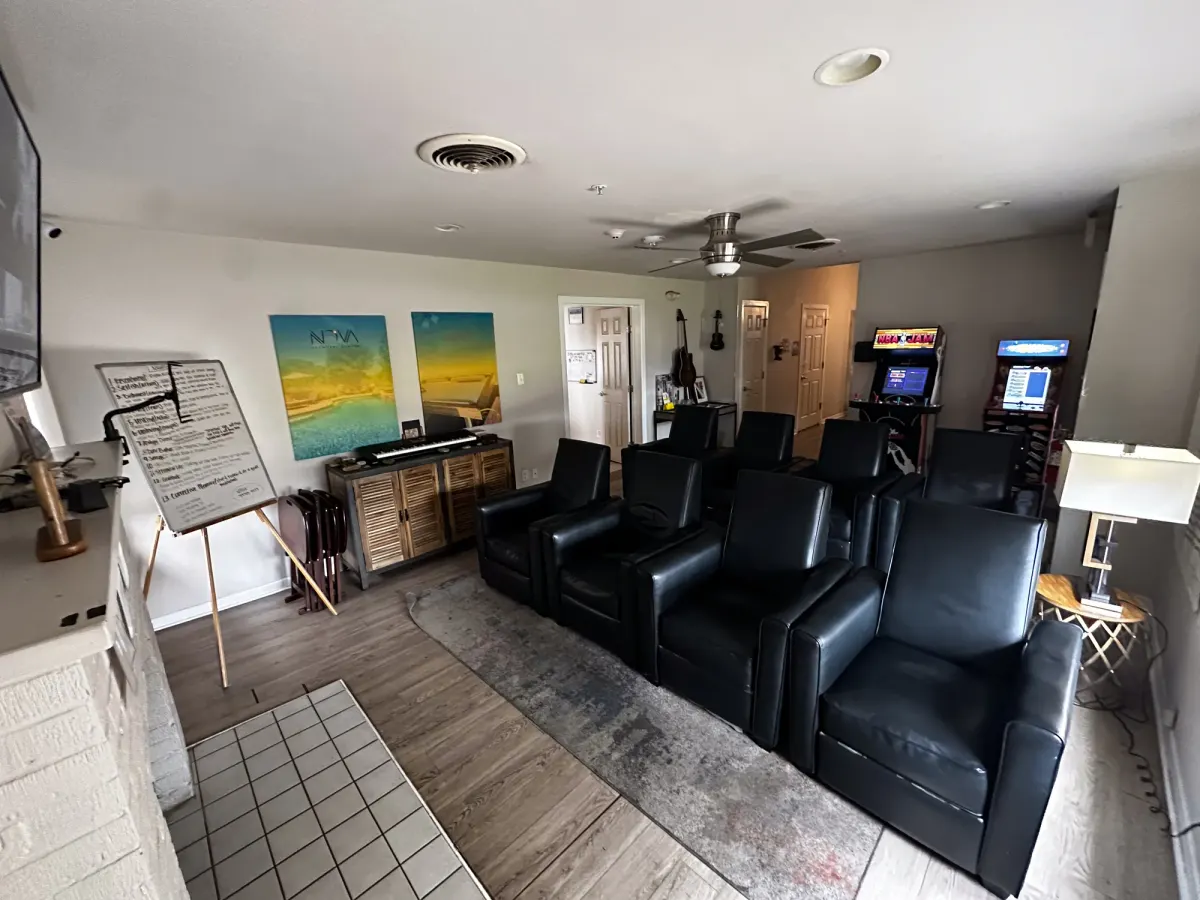 Inpatient
Austin, TX
11711 N Lamar Blvd · 78753
- 15 beds
- On-site labs
- 24-hour medical staff
Drug & Alcohol Detox in Austin, TX
-
 Inpatient
Houston, TX
1019 Ashland St · 77008
- On-site labs
- 24-hour medical staff
Drug Detox Center in Houston, TX
-
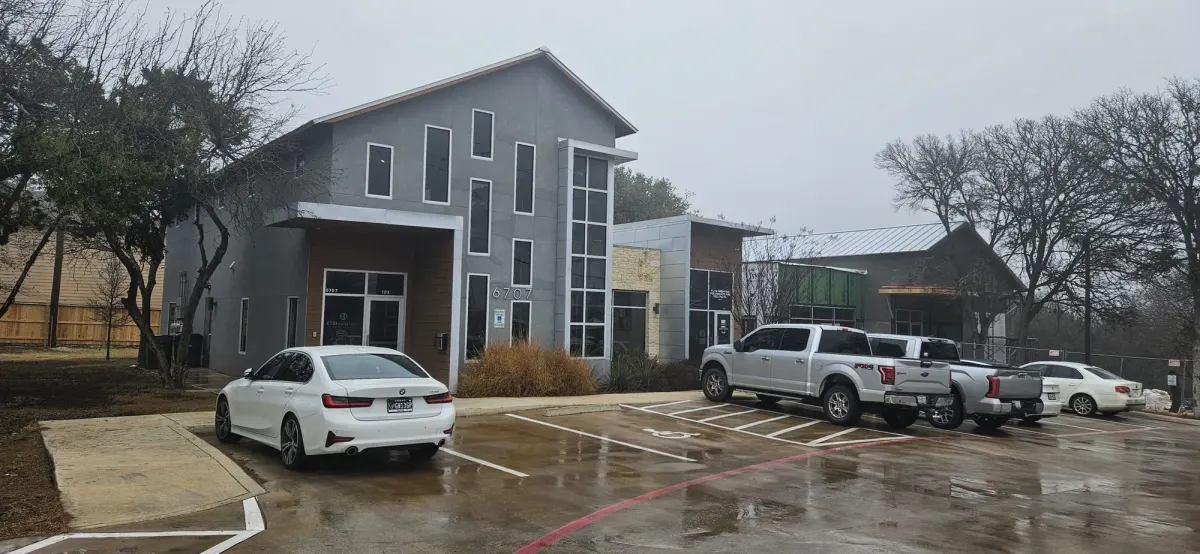 Outpatient
San Antonio, TX
6707 W Hausman Rd · 78249
- Outpatient detox with scheduled medical visits
- Outpatient treatment
Outpatient Drug & Alcohol Detox in San Antonio
Can crack or meth contain fentanyl?
Yes. The National Institute on Drug Abuse says both cocaine mixed with fentanyl and methamphetamine used with fentanyl contribute to the overdose crisis.
Someone who does not use opioids has no tolerance to them, which makes hidden fentanyl especially dangerous. If you or someone you love uses crack or meth, keep naloxone nearby and do not use alone. Naloxone reverses an opioid overdose and is sold without a prescription.
Source: Opioid Overdose, MedlinePlus, National Library of Medicine.
Is there medicine to treat crack or meth addiction?
Not yet. No medicines are approved for cocaine or methamphetamine use disorder, so treatment relies on behavioral therapies that work in both outpatient and residential care.
The National Institute on Drug Abuse calls contingency management, which rewards drug-free tests with small prizes or vouchers, the best-studied treatment for meth and one that shows positive results for cocaine. Cognitive behavioral therapy, group support and motivational interviewing also help. The cocaine addiction treatment page explains those options in more detail.
Do you need detox to stop using crack or meth?
Not always for the body itself, but supervised care helps when the crash is severe. The National Library of Medicine notes that cocaine withdrawal often has none of the visible shaking or vomiting of alcohol or opioid withdrawal.
The bigger risks are deep depression, suicidal thoughts and, with meth, psychosis. A supervised stay makes sense when any of those appear, or when alcohol, benzodiazepines or opioids are also being used. If anyone talks about suicide, call or text 988, or call 911 in an emergency.
Briarwood’s inpatient centers in Austin and Houston have a nurse on site 24 hours a day and a physician on call. The cocaine detox page and the meth detox page explain what a stay looks like for each.
What comes after detox?
Behavioral treatment, usually over weeks or months. Detox handles the crash, but the cravings and the habits around using need longer support.
That can be an intensive outpatient program, residential treatment or sober living. Before discharge, a counselor arranges the next step with real dates, and a free benefit check shows what your insurance covers.
Common Questions
Is meth the same as crack?+–
No. Crack is a smokable form of cocaine, made from the coca plant. Meth is a separate stimulant made in a lab.
Which lasts longer, crack or meth?+–
Meth. A crack high fades within minutes to an hour, while meth's half-life is 6 to 17 hours, so its effects last much longer.
Which shows up longer on a drug test?+–
Usually meth. ARUP Laboratories puts meth in urine for 1 to 5 days, and cocaine's main breakdown product for 1 to 2 days.
Is there medication for crack or meth addiction?+–
Not yet. Treatment relies on behavioral therapies, especially contingency management, which rewards drug-free tests.
Can crack or meth be laced with fentanyl?+–
Yes. The National Institute on Drug Abuse says both contribute to overdoses alongside fentanyl. Keep naloxone nearby.
Does Briarwood treat crack and meth addiction?+–
Yes. Briarwood treats cocaine and methamphetamine at its inpatient centers in Austin and Houston, and arranges the next step before discharge.
Related guides


About the people behind this guide
Anna-Grace Washington
Medical Content Writer
Anna-Grace Washington is a Medical Content Writer for Briarwood Detox Center. She holds a master’s degree in clinical psychology from the University of Texas and brings a strong understanding of behavioral health, addiction recovery, and evidence-based treatment concepts to her writing.
In network with most major insurance
Find your plan and see what detox would cost
Most plans cover medical detox. Coverage varies by plan, so we verify it for you before you commit to anything.



















Don't see your plan? We work with out-of-network benefits and offer self-pay options — (866) 710-7710
- Confidential
- Takes about 2 minutes
- No obligation to admit
- Accredited The Joint Commission
- Rated 4.7 · 184 Google reviews Flourishing Foundations Recovery, now part of Briarwood
- Admissions 24 hours a day